Doctors Reveal Drinking Coconut Water May Cause Unexpected Problems
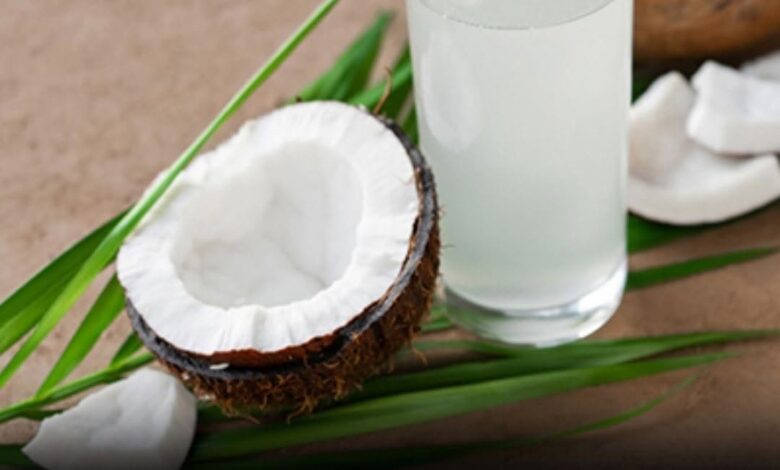
Coconut water is often presented as a perfect natural drink: refreshing, rich in electrolytes and lighter than many sodas or juices. For most healthy adults, an ordinary serving can fit comfortably into a balanced diet. Yet “natural” does not mean unlimited or appropriate for everyone. Its potassium, natural sugar and calories can matter for people with certain medical conditions or medication regimens.
The clear liquid inside a young coconut contains water, carbohydrates and minerals such as potassium, magnesium and sodium. After exercise or time in hot weather, it can contribute to fluid intake. Its exact nutrition varies by brand and serving size, and packaged products may include added sugar, flavoring or other ingredients. Reading the label is the quickest way to know what is actually in the bottle.
Potassium is the main reason some people need caution. The mineral supports nerves, muscles and normal heart function, and healthy kidneys usually regulate the amount in the blood. When kidney function is reduced, however, the body may have difficulty removing excess potassium. A dangerously high level, known as hyperkalemia, can cause weakness or abnormal heart rhythms and may produce few obvious symptoms before becoming serious.
Certain medicines can also raise potassium. Examples include some treatments for high blood pressure and heart conditions, such as ACE inhibitors, angiotensin receptor blockers and potassium-sparing diuretics. This does not mean everyone taking those medicines must avoid coconut water. It means regular or large consumption should be discussed with the clinician who understands the person’s kidney function, laboratory results and total diet.
Coconut water also contains natural sugar. The amount is generally lower than in many sweetened soft drinks, but it is not zero. People monitoring blood glucose should count it as part of their carbohydrate intake, pay attention to portion size and avoid assuming that an unsweetened-looking package has no added sugar. Drinking several bottles can turn a modest amount into a significant one.
Claims that coconut water dramatically lowers blood pressure should be treated carefully. Potassium-rich diets can support healthy blood pressure for many people, but one drink is not a treatment. Someone whose blood pressure is already low or who takes blood-pressure medication may experience dizziness for many reasons. New or severe symptoms deserve medical advice, not a self-directed attempt to correct them with another beverage.
Calories are another simple consideration. Coconut water is not especially calorie-dense, yet calories from drinks can accumulate without producing much fullness. A person using it after every short workout may consume more energy than expected. Plain water remains an excellent hydration choice for most routine activity. Longer or intense exercise can create different needs, depending on heat, sweat loss and individual health.
Allergy to coconut is uncommon but possible. Anyone who develops hives, swelling, breathing difficulty or other signs of a severe allergic reaction after drinking it needs emergency care. People with digestive sensitivity may also find that large amounts cause discomfort. As with many foods, tolerance and context matter more than a broad label of “good” or “bad.”
A practical approach is to choose an unsweetened product, check the serving size and enjoy it as one beverage among many. People with kidney disease, a history of high potassium or relevant medication use should ask their healthcare team before making it a daily habit. Athletes with specialized hydration needs can seek guidance tailored to their training.
Coconut water does not need to be feared, and it does not deserve a health halo that hides every limitation. For a healthy person, a small serving is usually just a pleasant drink. For someone whose body cannot safely handle a large potassium load, the same bottle may require more thought. The difference lies in dose, health and the rest of the diet.