Dark Velvety Skin Patches May Be Acanthosis Nigricans
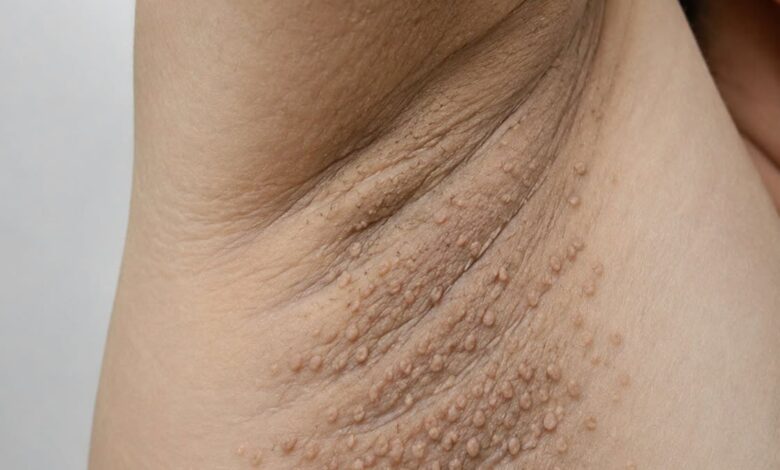
Acanthosis nigricans causes areas of skin to become darker, thicker, and velvety. It often appears gradually around the neck, armpits, groin, knuckles, elbows, knees, or beneath the breasts. The patches are not dirt, are not caused by poor hygiene, and are not contagious. A single statistic or symptom cannot predict what will happen to one person. Medical history, age, family patterns, medications, and professional assessment all affect how the information should be understood.
Insulin resistance is the most common association. When cells respond poorly to insulin, the body may produce more of it, and high levels can stimulate changes in skin growth. The condition can therefore appear alongside prediabetes, type 2 diabetes, or metabolic syndrome without proving that any one diagnosis is present. The practical value of the information lies in informed discussion rather than self-diagnosis. A qualified clinician can explain which tests or preventive options are relevant and which are unnecessary.
Higher body weight can increase the likelihood through its connection with insulin resistance. Hormonal conditions such as polycystic ovary syndrome, Cushing syndrome, or hypothyroidism may also be involved. Some corticosteroids, hormonal medicines, high-dose niacin, and other treatments have been linked to similar changes. Risk is not the same as certainty. Understanding a connection can support earlier attention and better questions without turning a possible concern into an assumed diagnosis.
A clinician may review the pattern, medical history, medications, and possible metabolic symptoms before ordering tests. New patches that develop quickly, spread widely, or appear with other unexplained symptoms deserve prompt evaluation because rare underlying causes are possible. Any major decision should be individualized. Benefits, limitations, side effects, and personal priorities belong in the conversation before someone changes treatment or chooses a preventive procedure.
Treatment focuses on the factor behind the skin change rather than scrubbing or bleaching the surface. Improving metabolic health or adjusting a contributing medicine under medical supervision may help. Discovering the patches can be useful because they provide a visible reason to discuss changes that might otherwise remain unnoticed. Reliable guidance should replace fear. Noticing patterns and seeking appropriate care is more useful than treating a social-media caption as a complete medical explanation.
Health information is most useful when it helps someone prepare a better conversation with a professional. Writing down symptoms, family history, diet, medicines, and recent changes can make that conversation more precise. A clinician can then decide whether reassurance, observation, testing, or treatment is appropriate. That process is safer than choosing a diagnosis or changing medication because one online description appears familiar.
Individual responses can differ even when two people share the same risk factor or outward sign. Genetics, underlying conditions, current treatment, and everyday habits all influence what a finding means. General guidance should therefore be treated as context rather than a personalized prescription. Urgent or rapidly worsening symptoms, severe pain, breathing difficulty, or signs of a serious reaction require timely medical help.
The balanced takeaway combines attention with proportion. Useful knowledge can encourage earlier care and healthier choices without making every possibility sound inevitable. Moderation, consistency, and qualified advice are recurring themes because they allow benefits and risks to be weighed together. The aim is not to create alarm, but to notice relevant changes and respond with evidence instead of guesswork.
Reading the full sequence also guards against the distortion created by a short social caption. A caption can emphasize one surprise, image, or emotional phrase, while the underlying source supplies the circumstances needed to understand it. Preserving those circumstances keeps the account coherent and prevents unrelated material, page labels, advertisements, or promotional prompts from being mistaken for part of the story itself.
Taken together, these details explain the meaning of dark velvety skin patches may be acanthosis nigricans. The important point is not an unrelated teaser or a dramatic caption, but the sequence and facts described in the source. Keeping that focus preserves the people, relationships, and consequences that give the account its real significance.