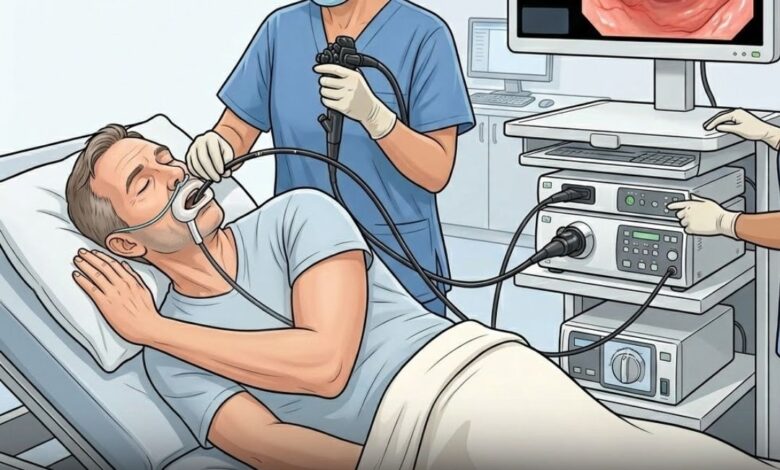
Colonoscopy! The key question you should ask your doctor before the procedure
The mere mention of a colonoscopy is often enough to send a ripple of unease through even the most stoic individual. In the grand lexicon of medical terminology, few words carry as much baggage, typically conjuring a mental montage of clinical embarrassment, physical discomfort, and the looming shadow of a potential diagnosis. We live in an age of instant information, yet the colonoscopy remains shrouded in a peculiar kind of cultural dread, a mixture of urban legends about the preparation process and a deep-seated vulnerability that comes with invasive screenings. However, when we strip away the stigma and the nervous jokes, we find that the colonoscopy is not a medical hurdle to be feared, but rather one of the most sophisticated and life-saving tools in modern preventative care. It is the gold standard for a reason, and understanding the “why” behind the procedure is the first step in transforming that anxiety into a proactive sense of agency over one’s own longevity.
Physicians do not suggest a colonoscopy on a whim or as a routine box to be checked without merit. They recommend it because, unlike many other medical tests that simply diagnose a problem once it has already taken root, a colonoscopy has the unique power to intercept an illness before it even begins. Colorectal issues, including inflammation, chronic bleeding, and cancer, are notoriously silent. They do not often announce themselves with trumpets; they whisper in the form of microscopic changes that can go unnoticed for years. Colorectal cancer, in particular, almost always begins as a small, benign growth known as a polyp. During a colonoscopy, a gastroenterologist isn’t just looking for cancer; they are hunting for these precursors. If a polyp is found, it can often be removed right then and there, effectively stopping a future malignancy in its tracks. In this light, the procedure is less of a “test” and more of a surgical strike against a future threat.
The disconnect between the reputation of the procedure and the reality of the experience is vast. Most patients find that their fears were far more taxing than the event itself. Modern medicine has refined the process to ensure maximum comfort and minimal memory of the intervention. The procedure is typically performed under “twilight” sedation or monitored anesthesia care, meaning that for the fifteen to thirty minutes the doctor is working, the patient is in a state of deep relaxation. You aren’t “awake” in the traditional sense, nor are you under the heavy, system-wide strain of general anesthesia. Most people wake up in the recovery room feeling as though they’ve simply had a very deep, very brief nap, often asking when the procedure is going to start only to be told it is already over. The actual physical sensation of the exam is virtually non-existent for the vast majority of patients.
If there is a legitimate villain in the story of the colonoscopy, it isn’t the doctor or the scope—it is the preparation. The day before the procedure requires a clear liquid diet and the consumption of a powerful laxative solution designed to completely clear the colon. It is, undeniably, a day spent in close proximity to the bathroom. It is inconvenient, it is unglamorous, and the taste of the preparation liquid has been the subject of many a disparaging review. Yet, even this stage has seen significant improvements. Newer “low-volume” preps require much less liquid than the gallon-sized jugs of the past, and doctors have developed various tips—from using straws to chilling the liquid—to make the process more manageable. When framed correctly, this 24-hour period of discomfort is a small price to pay for a decade of peace of mind. A clean bill of health following a colonoscopy usually means you don’t have to think about the procedure again for another five to ten years.
Avoiding or delaying a colonoscopy out of fear is a gamble where the stakes are unnecessarily high. Colorectal cancer is one of the leading causes of cancer-related deaths worldwide, yet it is also one of the most preventable. When caught early through screening, the five-year survival rate is incredibly high. Conversely, waiting until symptoms—such as persistent abdominal pain, changes in bowel habits, or unexplained weight loss—actually appear often means the condition has progressed to a stage where treatment is far more aggressive, complex, and uncertain. By the time a “silent” problem starts making noise, the window for a simple, preventative solution may have already closed. The anxiety of a thirty-minute procedure is fleeting, but the regret of a missed opportunity for early detection is a much heavier burden to carry.
There is a growing movement in the medical community to rebrand the colonoscopy from a “scary test” to a profound act of self-care. In a world where we spend significant time and money on skincare, fitness trends, and wellness retreats, the colonoscopy is perhaps the ultimate “wellness” intervention. It is a moment where you choose to be the protagonist in your own health narrative rather than a passive observer. Taking control of your health requires a willingness to look directly at the things that make us uncomfortable. By asking your doctor the right questions—about the prep options, the type of sedation used, and their own “adenoma detection rate” (a measure of how effectively they find polyps)—you replace the unknown with concrete information. Knowledge is the most effective antidote to fear.
Ultimately, a colonoscopy is a gift of time. It provides the clarity needed to plan for the future without the looming “what ifs” of undiagnosed issues. It is a bridge between the vulnerability of being human and the power of modern science to protect that humanity. When you walk into the clinic, you aren’t just a patient undergoing a routine screening; you are an individual making a calculated, intelligent decision to ensure you are around for the birthdays, the anniversaries, and the quiet mornings yet to come. The equipment, the hospital gown, and the prep work are merely the temporary logistics of a much larger goal: a healthier, longer, and more confident life. When we change the way we look at the colonoscopy, the procedure changes from an object of dread into a milestone of survival and strength.