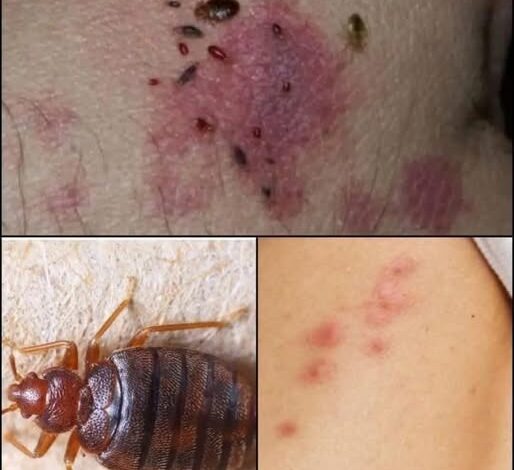
BE CAREFUL, If you spot these dots on your skin!
The human skin is far more than just a protective barrier; it is an intricate, living canvas that often serves as the first visual indicator of our internal well-being. When unusual marks, spots, or “dots” suddenly appear, they frequently trigger a wave of anxiety and a flurry of questions. Understanding the nuances of these dermatological developments is essential for distinguishing between minor inconveniences and serious health concerns. While many skin changes are benign results of aging or environmental factors, others act as critical warning signs that require immediate professional attention. Navigating the world of adult rashes requires a blend of education, observation, and a proactive approach to personal health.
One of the most common and often misunderstood conditions is shingles, also known as herpes zoster. Shingles is caused by the reactivation of the varicella-zoster virus—the same virus responsible for chickenpox. After a person recovers from chickenpox, the virus lies dormant in the nerve tissues near the spinal cord and brain. Years or even decades later, it can “wake up,” typically presenting as a painful, blistering rash that often wraps around one side of the torso. Before the visible dots appear, individuals often report a localized sensation of tingling, burning, or intense sensitivity. When the rash does emerge, it typically follows a nerve pathway, creating a distinct linear pattern of fluid-filled blisters. For adults, especially those over the age of fifty or individuals with weakened immune systems, shingles is not merely a skin issue; it is a neurological event that can lead to long-term nerve pain if not treated promptly with antiviral medications.
In stark contrast to the viral nature of shingles are the various fungal infections that can manifest as mysterious spots on the skin. Tinea corporis, commonly referred to as ringworm, is a frequent culprit. Despite its name, no actual worm is involved. Instead, this fungal infection creates circular, red, scaly patches that may look like small dots in their early stages before expanding outward. The center of the circle often clears up as the infection spreads, leaving a ring-like appearance. Fungal infections thrive in warm, moist environments and can be highly contagious, spreading through skin-to-skin contact or contaminated surfaces. While they are generally not life-threatening, they are persistent and uncomfortable, requiring antifungal creams or oral medications to fully eradicate. Identifying these “dots” early can prevent the infection from spreading to other parts of the body or to other members of the household.
Another common dermatological phenomenon in adults is the appearance of cherry angiomas. These are small, bright red, circular dots that look like tiny rubies embedded in the skin. They are made up of a cluster of tiny blood vessels and are incredibly common as people age. Most adults will notice at least a few of these appearing on their trunk or limbs after the age of thirty. Unlike rashes caused by viruses or fungi, cherry angiomas are typically asymptomatic—they do not itch, hurt, or signify an underlying illness. However, because they can resemble other more serious types of red spots, many people find them alarming. While they are almost always benign, a sudden explosion of many angiomas or changes in their texture should always be discussed with a healthcare provider to rule out rarer vascular conditions.
Beyond the relatively common occurrences of shingles and fungi lies a category of skin spots that demand a much higher level of vigilance: those related to skin cancer. Basal cell carcinoma and squamous cell carcinoma can sometimes begin as small, pearly bumps or scaly, red dots that refuse to heal. However, the most critical “dots” to watch for are those associated with melanoma. Melanoma often presents as a new spot or a change in an existing mole. Health experts frequently point to the “ABCDE” rule as a guide for evaluation: Asymmetry, irregular Borders, varying Colors, a Diameter larger than a pencil eraser, and, most importantly, Evolving. If a dot on your skin is changing in shape, size, or elevation, or if it begins to itch, bleed, or crust, it is no longer just an “educational tool” moment; it is a medical priority. Early detection of melanoma is the single most important factor in successful treatment outcomes.
Environmental factors and allergic reactions also play a significant role in the sudden appearance of skin spots. Contact dermatitis can cause a localized rash consisting of small red bumps or “dots” after the skin touches a substance it is sensitive to, such as certain detergents, nickel in jewelry, or specific plants like poison ivy. Similarly, heat rash—often called prickly heat—occurs when sweat ducts become clogged, trapping perspiration under the skin and resulting in tiny, itchy, red bumps. While these conditions are generally temporary and can be managed with over-the-counter soothing agents and the removal of the irritant, they highlight the skin’s role as a sensory organ that reacts intensely to its surroundings.
The psychological impact of skin conditions should not be underestimated. For many adults, a visible rash or mystery spot can lead to significant social anxiety and a decreased quality of life. The fear of contagion, even when the condition is not infectious, often leads to isolation. This is why educational resources are so vital. By understanding that many spots are common, non-contagious, and treatable, individuals can regain a sense of control over their bodies. Knowledge acts as a bridge between the initial panic of discovery and the calm execution of a treatment plan.
It is also important to consider systemic health issues that manifest through the skin. Conditions like lupus or certain autoimmune disorders can produce distinct rashes, such as the “butterfly rash” across the cheeks or small purplish spots known as petechiae, which are caused by tiny broken blood vessels under the skin. Petechiae can sometimes indicate a low platelet count or a serious infection like meningitis, especially if they do not blanch (fade) when pressed. This underscores the reality that the skin is a window into the body’s internal systems. A spot is rarely “just a spot” when it is accompanied by systemic symptoms like fever, fatigue, or joint pain.
Maintaining skin health in adulthood involves a combination of protection and observation. Regular self-examinations are the best defense against the “something more” mentioned in health guides. By becoming familiar with the unique landscape of your own skin, you become better equipped to notice when something is truly out of place. Sun protection remains the most effective way to prevent many of the spots that cause concern later in life, as UV damage is a primary driver of both cosmetic changes and cellular mutations.
In conclusion, the appearance of new dots on the skin should be approached with a balanced perspective of caution and curiosity. Most spots are harmless artifacts of life, aging, or minor irritation. However, because the skin is such a dynamic organ, it is always wise to seek professional confirmation when a rash is persistent, painful, or changing. Whether it is the viral challenge of shingles, the persistent itch of a fungus, or the silent growth of a more serious lesion, your skin is speaking to you. Learning to translate those signals into action is a fundamental part of adult health and wellness. By staying informed and paying close attention to the details, you ensure that these “dots” are managed effectively, allowing you to move forward with confidence and peace of mind. Would you like me to create an image showing the different types of common skin spots for visual comparison?