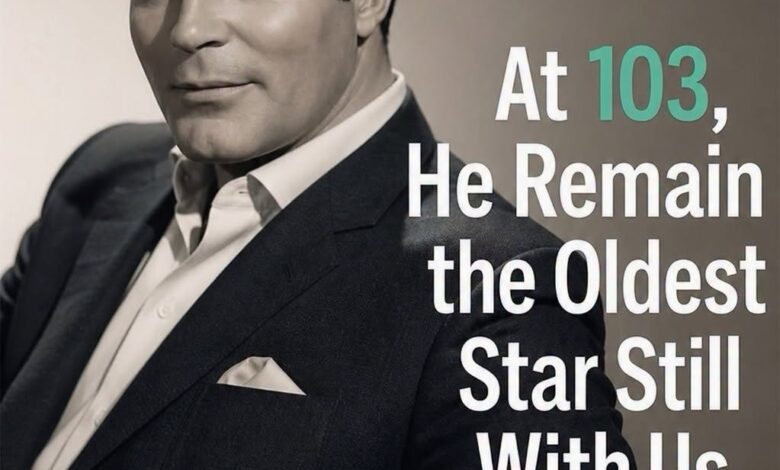
At Nearly 103, Hollywood’s Beloved Veteran Continues to Inspire Fans
Ray Anthony became one of the recognizable figures of the American big-band era, building a remarkable career as a trumpeter, bandleader, arranger, and entertainer. His journey through music stretched across many decades, connecting the swing era with later generations of popular entertainment. Through recordings, television appearances, live performances, and collaborations, Anthony became part of an important chapter in the history of American music.
Born Raymond Antonini in Cleveland, Ohio, in 1922, Ray Anthony developed an interest in music at an early age. His father was a bandleader, and growing up around music gave Anthony an opportunity to learn about performance and musicianship from childhood. He eventually became an accomplished trumpet player, an instrument that would remain central to his professional identity throughout his career.
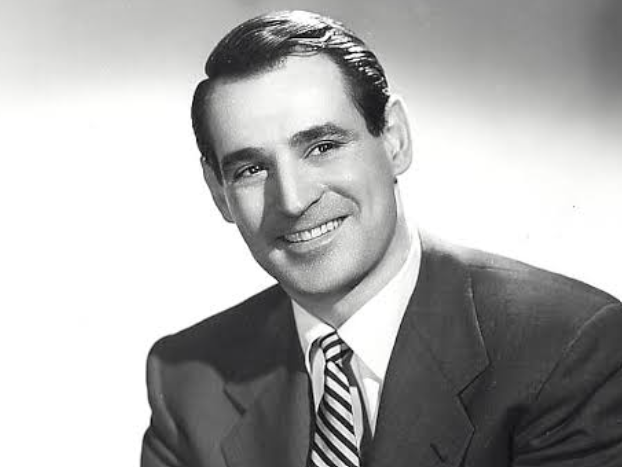
Anthony’s early professional years coincided with a golden period for big-band music. During the 1940s, he worked with some of the leading orchestras of the era, including the Glenn Miller Orchestra. Playing in a highly regarded ensemble gave him valuable experience and introduced him to the demanding world of professional touring and recording.
After his time with the Glenn Miller organization, Anthony went on to establish his own orchestra. The Ray Anthony Orchestra became particularly successful during the early 1950s, when big-band music was adapting to changes in American popular culture. Anthony’s group developed a polished sound that combined traditional swing influences with contemporary arrangements, helping the orchestra appeal to a broad audience.
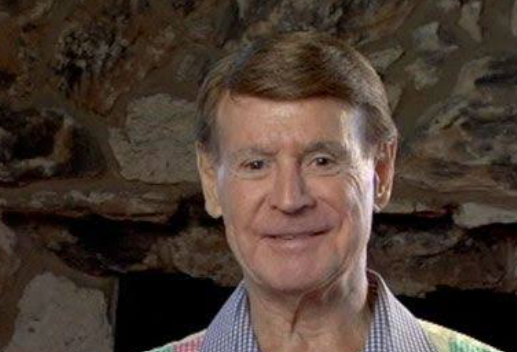
One of the orchestra’s best-known recordings was “Bunny Hop,” which became a popular dance number. Other recordings further established Anthony as a successful bandleader during a period when radio, record sales, dance halls, and live performances were major forces in the music business. His recordings reflected the changing tastes of the public while maintaining the energy associated with big-band performance.
Anthony’s career was not limited to music recording. He also became a familiar television personality, appearing on programs during the expanding television era. His work in television helped demonstrate how musicians could build audiences beyond traditional concert venues. He also made appearances in films and entertainment productions, adding another dimension to his career.
In his personal life, Anthony was married to actress Mamie Van Doren during the 1950s. Their relationship attracted attention because both were recognizable figures in American entertainment. They had one son, Perry Ray Anthony, before eventually going their separate ways.
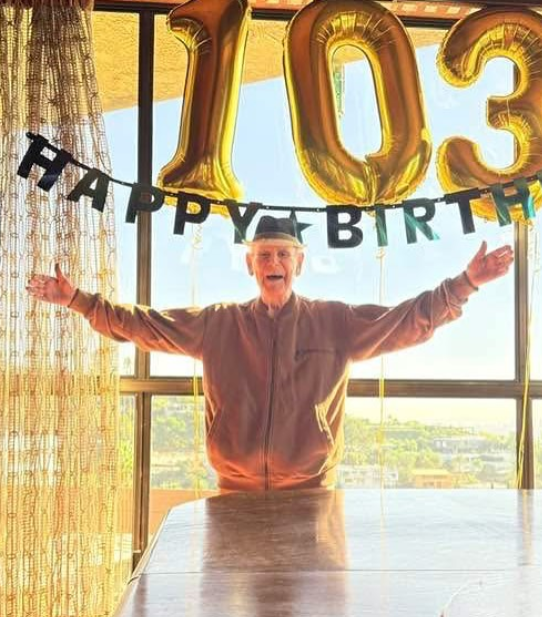
As musical styles changed during the 1960s and beyond, Anthony continued working in entertainment. Rock and roll, soul, pop, and other emerging genres increasingly dominated the charts, but the traditions of big-band and swing music remained an important part of American musical heritage. Anthony continued performing and recording, preserving his connection to the musical style that had defined the early part of his career.
One of the most remarkable aspects of Ray Anthony’s story is the length of his professional journey. He experienced firsthand the transition from the big-band era to the age of television, modern recording, and changing popular music. Few musicians had such a direct connection to so many different periods of American entertainment.
Anthony’s contribution is significant not only because of his recordings, but also because of his role as a bandleader who helped carry the big-band tradition forward. His orchestra introduced audiences to energetic arrangements and helped keep the sound of swing accessible during periods when musical tastes were rapidly evolving.
Ray Anthony’s life reflects a broader story about American entertainment: talented performers often adapt rather than disappear when the culture changes. His career moved through multiple generations while remaining connected to the trumpet and orchestral traditions that shaped his musical identity.
For listeners interested in jazz, swing, big-band music, and classic American entertainment, Ray Anthony’s story provides a fascinating look at an era when large orchestras dominated dance floors, radio programs, recordings, and live stages. His long career remains a reminder of how deeply the big-band tradition influenced American popular culture and how its musical spirit continues to reach new audiences.