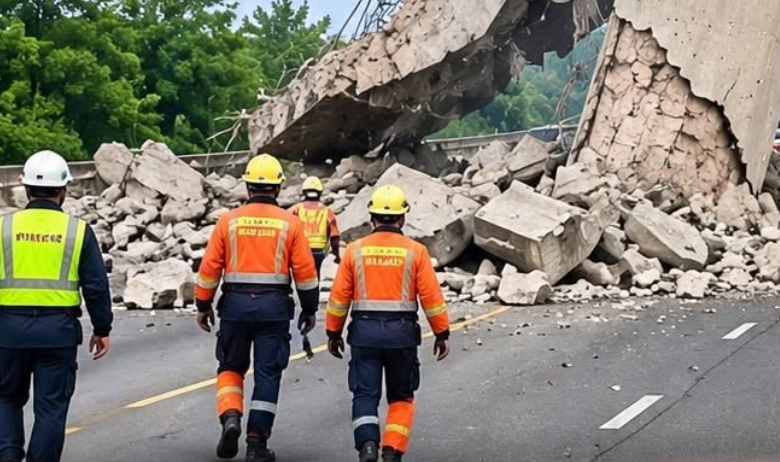
A Historic Atlanta Bridge Partially Collapsed, Raising Questions About Its Future
A historic bridge in northwest Atlanta, Georgia, became the focus of attention after a section of its structure partially collapsed into Peachtree Creek. The unexpected incident disrupted a familiar transportation route, prompted a response from local authorities, and raised important questions about the maintenance of older infrastructure.
The bridge, located along Moores Mill Road, had served the surrounding community for generations. Its location made it an important connection for residents, commuters, and people traveling through the area. Following the discovery of structural damage, officials took steps to prevent vehicles from crossing while engineers assessed the condition of the affected section.
Initial reports described damage to part of the bridge’s supporting wall, which fell toward the creek below. A nearby water line was also affected, adding another issue for the teams responsible for evaluating and managing the situation.
What Happened at the Bridge?
When the damage was discovered, local authorities responded by examining the affected area and arranging safety measures. The road was closed to regular traffic so that specialists could inspect the structure without creating additional risks.
Early information suggested that a vehicle may have been involved in the incident. However, the exact circumstances required further examination, and the possibility of other contributing factors could not be ruled out immediately.
Engineers needed to evaluate the supporting structure, surrounding ground conditions, and nearby infrastructure before reaching conclusions about the cause. This type of assessment is particularly important when damage affects a bridge that carries regular traffic.
Why Was the Road Closure Necessary?
Closing the bridge was an important precaution. Even when damage appears limited to one section, engineers must determine whether nearby structural elements have also been affected.
Allowing vehicles to continue using a potentially compromised crossing before completing an inspection could create additional problems. The temporary closure gave repair crews room to work and allowed officials to organize the next stages of the response.
For local residents, the closure meant adjusting familiar travel routes. Some commuters had to use alternative roads, while people living nearby experienced changes to their usual journeys.
Although these adjustments caused inconvenience, protecting the public and ensuring the stability of the structure remained the main priorities.
The Challenges of Maintaining Older Bridges
The age of the Moores Mill Road Bridge made the incident particularly relevant to discussions about infrastructure maintenance. Structures that have served communities for decades require regular inspections and appropriate repairs.
Over time, bridges are exposed to changing weather conditions, moisture, drainage issues, soil movement, and repeated traffic loads. These factors can influence the condition of different structural components.
However, the age of a bridge does not automatically mean that it is unsafe. Proper maintenance, professional inspections, and timely improvements can help older structures continue serving their communities.
The Atlanta incident highlights why local infrastructure programs must pay attention to both historic structures and modern transportation demands.
What Happens After an Incident Like This?
Following the partial collapse, engineering and maintenance teams needed to examine the damaged area and determine which repairs were necessary.
The assessment included the supporting wall, nearby ground conditions, drainage arrangements, and affected water infrastructure. Depending on the findings, repair work could involve rebuilding damaged sections, reinforcing structural elements, and restoring nearby utilities.
The reopening of the road would depend on the completion of necessary repairs and confirmation that the crossing could safely accommodate traffic again.
A Reminder of the Importance of Infrastructure Maintenance
The partial collapse of the Moores Mill Road Bridge demonstrated how an unexpected infrastructure problem can affect an entire neighborhood.
For residents of northwest Atlanta, the immediate concern was finding alternative routes and waiting for the crossing to become available again. For local officials and engineers, the priority was understanding the damage and identifying the appropriate long-term solution.
The incident also offered a broader reminder that roads, bridges, drainage systems, and water lines all require consistent attention.
Maintaining these essential structures helps communities remain connected and supports reliable transportation for future generations. The experience in Atlanta shows why careful planning and preventive maintenance remain important parts of managing public infrastructure.