Dont Panic Heres What to Do If You Find a Lone Star Tick
A tick attached to your skin can stop you cold. The urge to rip it away is powerful, but how you remove it matters, and lone star ticks raise concerns that can linger long after the bite. Before panic takes over, know what to do now, what symptoms deserve attention, and why this encounter could leave you with ques…
If you find a lone star tick attached to your body, remove it promptly using fine-tipped tweezers. Grasp it as close to the skin’s surface as possible, then pull upward with steady, even pressure. Avoid twisting or jerking, which can leave mouthparts behind. Afterward, clean the bite area and your hands with soap and water. Skip petroleum jelly, nail polish, and heat: these methods can delay removal rather than safely resolve the problem.
A bite does not mean you will become sick. Still, lone star ticks can transmit infections and are associated with alpha-gal syndrome, an allergy that can cause reactions to red meat and some other mammalian products. Over the following weeks, watch for fever, rash, or other unusual symptoms, and contact a healthcare professional if they appear. Mention the bite and when it happened. Trouble breathing or swelling of the throat requires emergency care. Prompt action matters; panic does not.
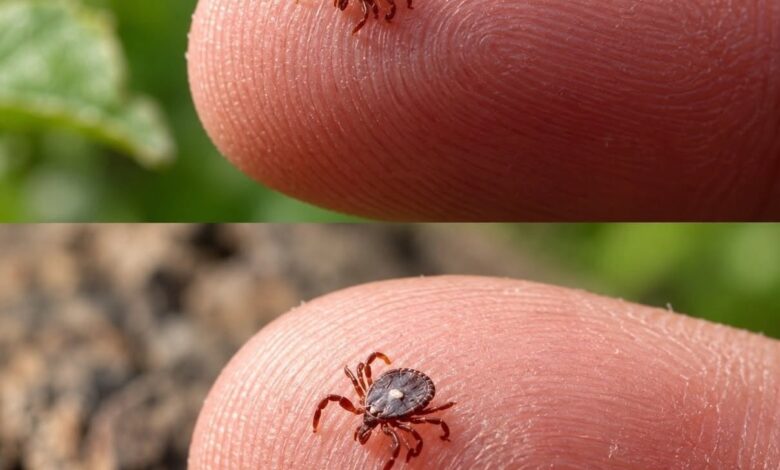
Finding a tick after a walk can turn an ordinary outing into a moment of alarm, especially when a parent notices it on a child’s leg. The distinctive spot may be the detail that first draws attention, but the immediate task is to deal carefully with an attached tick rather than attempt a diagnosis from its appearance alone. The source’s instructions focus on a controlled removal and on paying attention to what happens afterward.
Steady pressure is central to the removal method described. A hurried attempt to pull from the body of the tick, or repeated twisting and jerking, can make a stressful situation more difficult. Fine-tipped tweezers allow a closer grip near the skin. The goal is to remove the tick promptly without turning the process into a series of improvised remedies. The warning about heat, nail polish, and petroleum jelly addresses exactly that temptation to try whatever seems likely to make the tick release its hold.
After removal, the situation changes from an immediate practical problem to a period of observation. The source does not say that every bite causes illness, and it is important to preserve that distinction. Awareness of possible symptoms is useful without assuming that infection or an allergy will follow. Keeping the timing of the encounter in mind can help explain the circumstances if a healthcare professional is consulted later.
The mention of alpha-gal syndrome also deserves careful reading. An association between a tick and a condition is not a diagnosis for the person who was bitten. Any later symptoms require their own assessment. The same applies to fever, rash, or other changes after the encounter: the relevant next step is to explain the bite and symptoms to a professional, rather than decide independently what caused them. The practical message remains consistent throughout the account: remove an attached tick carefully, clean the area, and respond appropriately if concerning symptoms develop.