Hundreds Homeless as Massive Fire Tears Through Pamplona Alta
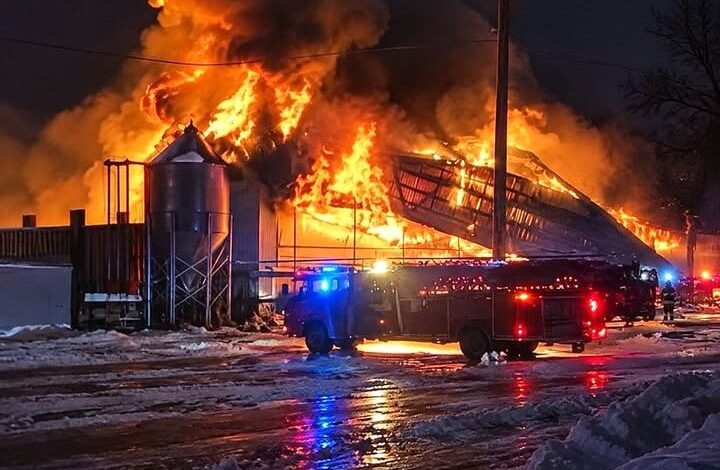
The sky turned orange before anyone fully understood what was happening. What had begun as an ordinary Saturday in Pamplona Alta quickly transformed into a desperate fight for survival as flames spread through the densely packed neighborhood, sending thick clouds of smoke over homes, streets, and stairways.
Within minutes, families were running through smoke-filled alleys, carrying children, documents, medicines, and whatever belongings they could grab. Others stood helplessly at a distance, watching flames consume homes that had taken years to build. For many residents, the fire left little time to think about what could be saved and what would have to be abandoned.
By the time the flames were brought under control, hundreds of people were facing the possibility of spending the night — and perhaps much longer — without a home.
The scale of the destruction was overwhelming. Roofs collapsed, walls were blackened, personal belongings disappeared beneath piles of debris, and entire sections of the neighborhood were left unrecognizable. Places that had once been kitchens, bedrooms, family gathering spaces, and small businesses were reduced to twisted metal, ash, and broken concrete.
As smoke continued to hang over the area, questions began spreading just as quickly as the flames had. Residents and witnesses offered different accounts of how the fire started, with rumors ranging from fireworks and illegal pyrotechnics to possible negligence. Those claims remain part of the questions investigators must examine, and the precise cause of the disaster will be important in determining how similar tragedies might be prevented in the future.
But for the families who lost everything, the immediate questions are much more basic.
Where will they sleep tonight?
How will they replace essential documents?
What happens to the medicines, school supplies, clothing, tools, and personal possessions that vanished in minutes?
For some residents, the losses go far beyond material belongings. A document may represent years of work and sacrifice. A photograph may be the only remaining connection to a relative who has died. Medication may be essential to someone’s daily life. A child’s school uniform or notebook may seem insignificant from a distance, but for a family that has lost its home, even replacing the smallest necessities can become an enormous challenge.
The fire has exposed the vulnerability of a neighborhood where many families already live with limited resources and little margin for unexpected disaster. In an area where homes stand close together and access can be difficult, a rapidly spreading fire can become devastating before residents have time to react.
Yet amid the destruction, another story is beginning to emerge.
Neighbors who only hours earlier were living their ordinary lives are now working together to help those who lost everything. Residents have been seen helping move belongings, carrying water, offering blankets, checking on children and older people, and sharing whatever food and supplies they have available.
Community members are organizing donation lists and trying to identify which families have lost their homes completely and which still have somewhere to stay. Some are arranging temporary accommodation. Others are helping with childcare while parents search for relatives, emergency assistance, or replacement documents.
These acts of solidarity cannot undo the destruction, but they provide something equally important in the first hours after a disaster: the knowledge that those affected are not facing the aftermath alone.
The coming days will likely bring difficult conversations about responsibility, safety, emergency access, housing conditions, and whether enough was done to reduce the risk of a catastrophe of this scale. Any investigation into possible illegal pyrotechnics or other contributing factors will be closely watched by residents who want answers and, above all, assurances that another tragedy can be prevented.
But recovery will require much more than identifying how the fire began.
Homes will have to be rebuilt. Families will need temporary shelter. Essential documents will need to be replaced. Children will need a way to return to school. Medical needs will have to be addressed. Small businesses and informal sources of income may need assistance getting back on their feet.
For families who lost nearly everything, recovery will not happen in a single dramatic moment. It will happen slowly — through donated clothing, repaired walls, replaced documents, borrowed tools, temporary beds, shared meals, and countless acts of assistance that rarely make the headlines.
Pamplona Alta now stands between shock and determination. The fire did not simply erase walls and roofs; it tore through the fragile sense of security that held a dense, improvised neighborhood together. People who once measured their world in narrow stairways, shared patios, familiar doorways, and borrowed tools are now facing open ground, damaged homes, and unanswered questions.
But the neighborhood is also showing its resilience.
The same streets that became escape routes during the fire are now becoming pathways for aid. Neighbors who were frightened and overwhelmed are organizing. Families who lost their own belongings are still asking what they can do for someone else.
The investigation may eventually explain how the disaster began. The harder task will be ensuring that the people who survived it are not forgotten once the flames are gone.
Because for the hundreds now facing homelessness, the fire is not over simply because the smoke has cleared.
Their emergency has only entered its next chapter — the long, quiet, and stubborn work of rebuilding lives, restoring dignity, and turning a devastated neighborhood back into a place people can once again call home.