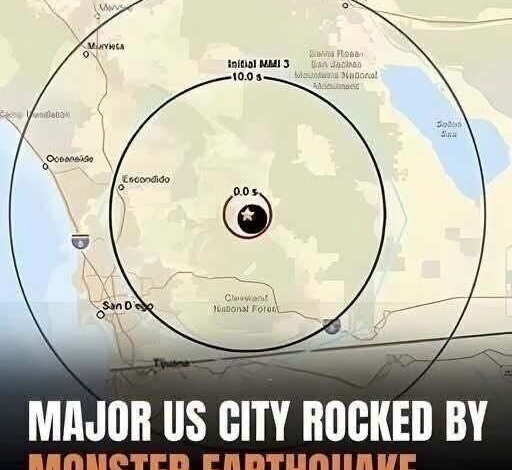
San Diego’s Late-Night Quake Raised a Bigger Question
A 5.2 earthquake near Julian sent a sharp reminder across San Diego County: even a few seconds of shaking can change the mood of an entire night. For many residents, it was the kind of jolt that sends people out of bed, toward family members, and into that uneasy pause while they wait to see whether the shaking will grow stronger.
The quake did not become the catastrophic event many Californians quietly fear, but it still left an impression. Dishes rattled, dogs startled, and households that had felt calm moments earlier were suddenly reminded that Southern California’s earthquake risk is not theoretical.
ShakeAlert Became More Than Just an App Warning
One detail stood out after the shaking: the early warning from ShakeAlert. In this case, the alert reportedly gave people about five seconds of notice.
That may not sound like much, but in an earthquake, five seconds can matter. It can be enough time to move away from glass, get low, cover your head and neck, or warn someone nearby. For families, schools, workplaces, and businesses, those seconds are part of a growing conversation about how technology can reduce risk when the ground starts moving.
Early warning systems do not predict earthquakes before they begin. Instead, they detect initial seismic activity and send alerts ahead of stronger shaking when distance and timing allow. That makes public awareness important: the value of the warning depends on people knowing what to do when it arrives.
Why This Matters
Southern California residents live with earthquake risk year-round, but smaller events often serve as reminders to revisit basic preparedness. That includes securing heavy furniture, keeping emergency supplies accessible, checking communication plans, and knowing safe spots inside the home.
There are also practical financial considerations. Standard homeowners insurance policies typically do not cover earthquake damage, so some California property owners choose to review separate earthquake insurance options. Renters may also want to understand what their coverage does and does not include for personal belongings after a disaster.
For businesses, the issue goes beyond physical damage. Earthquakes can interrupt operations, damage equipment, affect employees, and disrupt local services. Even modest preparation can make recovery less chaotic.
What Readers Should Know
The quake near Julian was a reminder, not a prediction. No single event can tell residents when a larger earthquake will happen. But it can encourage people to take alerts seriously and make sure their phones are set up to receive emergency notifications.
The most useful takeaway is simple: if an alert arrives or shaking begins, act immediately. Drop, cover, and hold on. Move away from windows if you can do so safely. Check on others once the shaking stops.
San Diego’s late-night quake passed quickly, but the lesson may last longer: preparation is easiest before the room starts moving.