Honestly Does Anyone Here Actually Eat Brussels Sprouts?
Brussels sprouts have carried a bad reputation for generations. For many people, the name recalls pale vegetables boiled until they became soft, bitter, and strongly scented. Yet the same ingredient now appears roasted, grilled, shaved into salads, and served with crisp edges in restaurants. Plenty of people really do eat them.
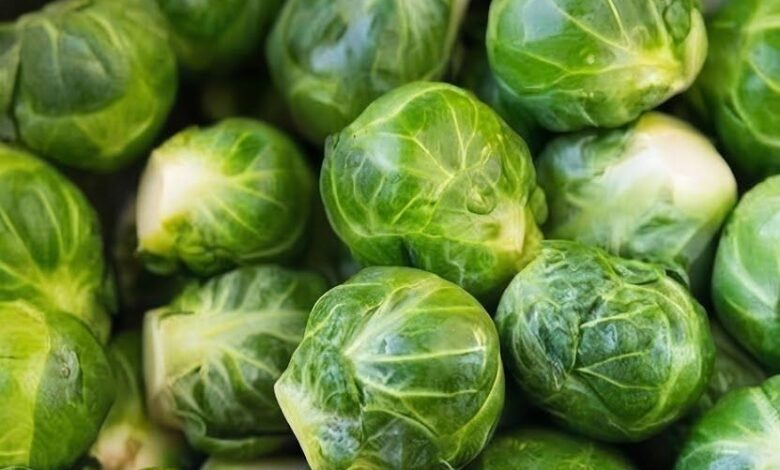
Brussels sprouts belong to the same broad vegetable family as cabbage, broccoli, cauliflower, kale, and collard greens. Instead of forming one large head, the plant produces many small buds along a stalk. Each sprout resembles a miniature cabbage, although preparation can give it a distinct flavor and texture.
Fresh sprouts should generally feel firm and have tightly packed green leaves. Very loose, yellowing, or strongly odorous sprouts may be past their best. Smaller ones can taste somewhat sweeter, while larger sprouts provide more surface area for browning when cut in half.
Why childhood versions often tasted unpleasant
Long boiling breaks down the vegetable and intensifies the sulfur-related aromas common to cruciferous vegetables. It also creates the watery texture many diners dislike. Someone who believes they hate Brussels sprouts may mainly dislike that method.
High-heat cooking changes the experience. Halved sprouts tossed with a little oil, salt, and pepper can be roasted until the cut sides turn deeply brown and the outer leaves become crisp. Caramelization brings forward a mild sweetness and nutty quality that prolonged boiling hides.
Garlic, lemon, mustard, balsamic vinegar, Parmesan, nuts, or a modest amount of bacon can complement the flavor. The goal is not to bury the vegetable under heavy toppings but to balance its earthy character. Air frying, grilling, and quick sautéing can produce similar browning.
They can also be eaten with less cooking
Thinly shaved raw sprouts work in salads when massaged or dressed long enough to soften slightly. They pair well with apples, dried fruit, toasted nuts, sharp cheese, and an acidic dressing. Brief steaming keeps them greener and firmer than extended boiling.
To roast them evenly, trim the dry stem end, remove damaged outer leaves, and cut sprouts of similar size. Drying them after washing helps the surface brown rather than steam. Crowding a pan traps moisture, so leaving space is important.
Cooking time depends on size and temperature. The useful test is texture: a fork should enter the center without the sprout collapsing, while the outside should show color. Recipes that demand one exact minute cannot account for every oven and vegetable.
A nutritious vegetable, not a miracle food
Brussels sprouts provide fiber, vitamin C, vitamin K, folate, and plant compounds found in cruciferous vegetables. Fiber supports regular digestion and helps create fullness, while a varied vegetable-rich eating pattern contributes to overall health.
Those benefits do not mean a plate of sprouts cures disease or compensates for an otherwise unbalanced diet. They are one useful option among many vegetables. People who experience gas or bloating may tolerate smaller portions or cooked sprouts better than a large raw serving.
Vitamin K is involved in normal blood clotting. People taking warfarin or another medicine affected by vitamin K should follow their clinician’s guidance about keeping intake consistent rather than suddenly eating very large amounts or eliminating greens entirely.
Giving the vegetable a fair second chance
Taste preferences are personal, and nobody is required to like Brussels sprouts. A person who remembers only the overcooked version may still find it worthwhile to try a different preparation once. Roasting with lemon and garlic is a simple starting point; a shaved salad offers an entirely different texture.
The vegetable’s comeback demonstrates how much technique affects judgment. The ingredient blamed for an unpleasant school dinner may have been cooked in a way that emphasized every quality diners disliked. Crispy browned sprouts are not a new species. They are the same food handled with less water, more heat, and better timing.
So the answer is yes: people eat Brussels sprouts because they can be flavorful, versatile, and nutritious. If the last encounter involved a soggy heap from years ago, the verdict may deserve one carefully roasted appeal.