The Small Details That Can Make an Old Penny Interesting to Coin Collectors
An old penny may look like an ordinary piece of pocket change, but some coins have unusual characteristics that make them interesting to collectors. The age of a coin alone does not determine its value. Factors such as rarity, condition, production history, and specific design details can all influence how collectors evaluate a particular coin.
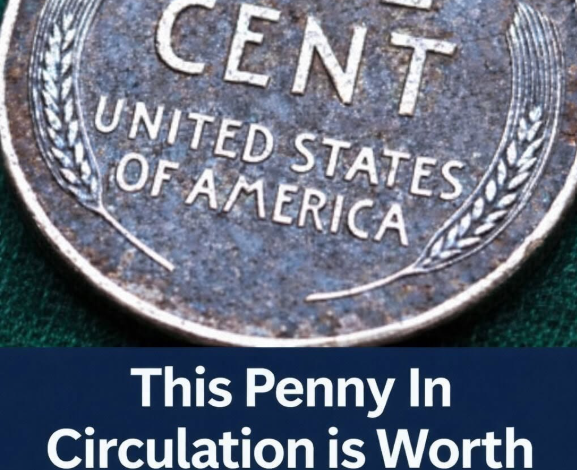
One of the most well-known examples is the 1943 Lincoln cent. During World War II, the United States Mint changed the material used to produce most pennies. Instead of using the traditional copper-based composition, the Mint produced 1943 cents primarily from zinc-coated steel. These coins have a distinctive gray or silver appearance and are generally easy to distinguish from earlier copper-colored cents.
A small number of 1943 cents were reportedly struck on bronze planchets that had remained from earlier production. These unusual pieces are considered important rarities in American numismatics. Because very few are known, authenticated examples have attracted considerable interest from collectors and have sold for substantial amounts at major auctions.
However, it is important to understand that most 1943 pennies are not rare. Millions of steel cents were produced during that year, and an ordinary 1943 steel cent should not be confused with the much rarer bronze variety. Identifying a potentially unusual coin requires careful examination rather than relying only on its date or appearance.
Collectors may examine several features when researching an older penny. These can include the date, mint mark, color, weight, surface characteristics, lettering, design details, and overall condition. Small differences can sometimes help distinguish a common coin from a particular variety or error.
Condition can also make a significant difference in the collecting world. Coins that have been heavily circulated may show scratches, discoloration, worn details, or other signs of use. Coins preserved in better condition may receive greater interest from collectors, depending on their rarity and authenticity.
If you discover an unusual penny, avoid cleaning or polishing it. Cleaning can permanently alter the original surface and may reduce its appeal to collectors. Instead, handle the coin carefully and consider comparing it with reliable numismatic references.
It is also wise to be cautious when estimating the value of a potentially rare coin. Online headlines sometimes highlight exceptional auction results without explaining that those prices apply only to specific, authenticated examples. A similar-looking coin may have a very different value depending on its characteristics and condition.
For an accurate evaluation, collectors can consult a reputable coin dealer, numismatist, or professional grading service. Authentication is especially important for coins that appear significantly different from normal examples, since valuable rarities can also attract altered or counterfeit pieces.
Coin collecting can be an enjoyable way to learn about American history, manufacturing, and the development of currency. While most pennies will have modest monetary value, some unusual examples can be historically significant or highly sought after by collectors.
So, if you have a collection of older coins at home, take a moment to examine them carefully. You may not discover a valuable rarity, but you might find an interesting piece of history and learn something new about how American coins were produced.