Why Your Cat Rubs Against You More Than You Think
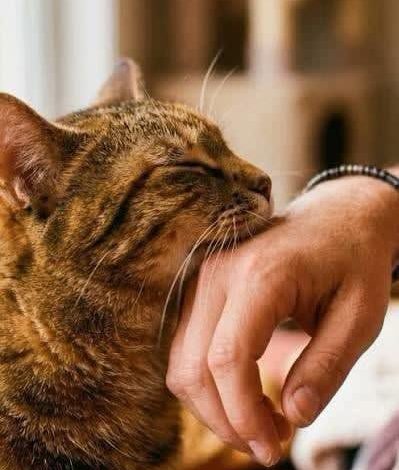
When a cat winds around your legs or presses its face against you, it can feel like a simple request for attention. But for cats, that small movement can carry several meanings at once. It is often part affection, part communication, and part instinct.
Cats may seem hard to read, but many of their habits are tied to comfort, familiarity, and routine. Rubbing against a person is one of the quiet ways they interact with the world around them.
It Can Be a Way of Marking Something Familiar
One common reason cats rub against people is scent marking. Cats have scent glands around their faces, and when they rub their head or body against you, they can leave behind their scent.
That does not mean they are being possessive in the way humans might think of it. For a cat, scent helps create a familiar environment. By rubbing against you, your cat may be reinforcing that you are part of its safe space.
In simple terms, it is one of the ways a cat recognizes you as someone familiar and trusted.
Your Cat May Be Noticing a Change
Cats are observant animals. They often pay close attention to daily patterns, including when you come home, how you move around the house, and whether your behavior seems different from usual.
If you have had a stressful day, changed your routine, or seem quieter than normal, your cat may respond by coming closer. Rubbing against you can be a way of checking in, seeking reassurance, or trying to get your attention.
This does not mean cats understand every human emotion the way another person might. But many cats do notice changes in tone, movement, and routine, and they may react to those differences.
What Readers Should Know
Rubbing is also a sign that a cat feels comfortable enough to approach. Cats usually avoid close contact when they feel unsafe or uncertain. So when a cat willingly brushes against your leg, leans into your hand, or circles around you, it often points to trust and familiarity.
For pet owners, paying attention to these small behaviors can make daily care easier. A cat that suddenly becomes much more clingy, withdrawn, or reactive may simply be responding to changes at home, but noticeable shifts in behavior are worth watching. If a pet’s behavior changes sharply or comes with signs of illness, a veterinarian can help rule out health concerns.
Most of the time, though, this familiar rubbing is a normal part of cat communication. It may mean your cat is greeting you, claiming you as familiar, asking for attention, or reacting to something it has noticed.
The next time your cat brushes against you, pause for a moment. That quiet little gesture may be saying more than it seems.