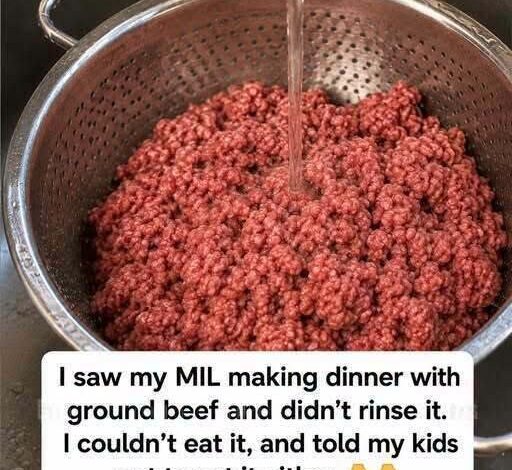
Should You Rinse Ground Beef? What Cooks Should Know Before Doing It
Ground beef is one of the most versatile ingredients in the kitchen. It can be used for tacos, pasta sauces, casseroles, burgers, meatballs, and countless other meals. One question that sometimes comes up during cooking is whether ground beef should be rinsed with water before or after it is cooked. While some people use rinsing as a way to remove excess fat, it is generally not considered a necessary step for preparing ground beef.
Some home cooks choose to rinse cooked ground beef because they prefer a less greasy texture. After browning, ground beef can release a noticeable amount of fat, especially when using a higher-fat variety. Rinsing may remove some of the surface fat, but it can also remove flavorful juices and seasonings from the meat. For many recipes, simply draining the excess fat is an easier way to achieve the desired result while keeping more of the meat’s natural flavor.
If you want to reduce the amount of fat in a cooked ground beef dish, draining is usually the more practical approach. After the beef has been thoroughly cooked, carefully transfer it to a heat-safe container or use a spoon to remove excess grease from the pan. Another option is to place the cooked beef in a strainer briefly and allow the excess fat to drain. This can help create a lighter texture without adding an extra rinsing step.
There is also an important kitchen-cleanup issue to consider. Pouring hot grease or fat directly into a sink can cause problems with household plumbing. As grease cools, it can become solid and contribute to buildup inside pipes. Instead of sending cooking fat down the drain, allow it to cool and place it in a suitable container or disposable material before putting it in the trash. Always handle hot grease carefully to avoid spills or burns.
Rinsing raw ground beef is generally unnecessary as well. Washing raw meat can cause water to splash onto nearby surfaces, utensils, or other foods, potentially spreading bacteria around the kitchen. Cooking ground beef thoroughly is a more important food-safety practice than washing it. Clean hands, utensils, cutting boards, and countertops after handling raw meat, and keep raw ingredients separate from ready-to-eat foods.
The best approach ultimately depends on the recipe and your personal preference. If a dish calls for browned ground beef, draining excess fat may be all that is needed. If you prefer a particularly lean texture, you can choose a lower-fat ground beef product when shopping. This lets you control the amount of fat from the beginning without needing to rinse the meat after cooking.
In short, rinsing ground beef is not a required cooking step. For most everyday recipes, properly cooking the beef and draining excess fat when necessary is a simple and convenient approach. Avoiding grease down the sink also makes cleanup easier and helps protect household plumbing. With a few basic kitchen habits, ground beef can remain a convenient, flavorful, and useful ingredient for many homemade meals.