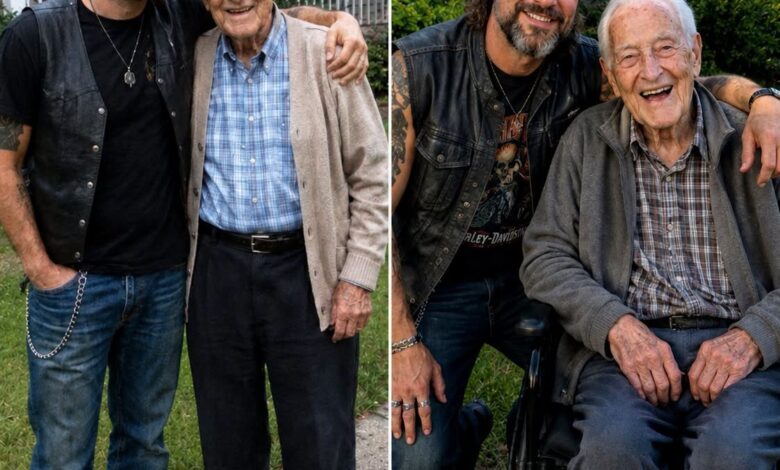
After 12 Years of Helping My Elderly Neighbor, His Final Gift Changed My Life
For twelve years, every Sunday followed the same familiar routine. What began as a simple act of kindness became an unspoken tradition that changed two lives in ways neither person could have imagined.
Anthony first met his elderly neighbor, Ezra Harrison, in the most ordinary way. One quiet Sunday morning, he noticed Ezra struggling to carry several grocery bags from his car. Without thinking twice, Anthony walked over and offered to help. After carrying the groceries inside, Ezra invited him to stay for a cup of coffee. What was supposed to be a five-minute visit turned into an hour of conversation filled with stories about the neighborhood, family memories, and life experiences.
From that day forward, the two neighbors became close friends.
As the years passed, Ezra’s health slowly declined. Driving eventually became difficult, so Anthony began picking up groceries for him every Sunday. It was never something they formally arranged. It simply became part of their weekly routine. After putting away the groceries, they would sit together at Ezra’s kitchen table, sharing coffee, conversation, and sometimes comfortable silence.
Ezra often spoke fondly about his late wife, Margaret, and the home they had built together. He also occasionally mentioned his nephew, Marcus, though never with much enthusiasm. Marcus rarely visited unless he needed financial help or wanted to discuss something that benefited him. Anthony never judged the situation, choosing instead to focus on being present for his elderly friend.
Anthony’s wife, Claire, admired the friendship that had developed. She often baked cookies or pastries for Ezra and encouraged Anthony to continue visiting him. To their family, those Sunday mornings became as important as any holiday tradition.
For Anthony, helping Ezra never felt like charity. It was simply what friends did for one another.
Twelve years after that first cup of coffee, everything changed.
One Sunday morning, Anthony noticed Ezra’s porch light was still on long after sunrise. Something felt unusual. A few hours later, an ambulance arrived, confirming the heartbreaking news that Ezra had peacefully passed away in his sleep at the age of eighty-four.
The funeral was small and quiet. Only a handful of people attended. Marcus was there, appearing more interested in discussing the future of the house than remembering his uncle’s life. After the service, he briefly questioned Anthony’s long friendship with Ezra, suggesting that people sometimes helped elderly neighbors for personal gain.
Anthony calmly explained that he had never accepted money or gifts for his weekly visits. He had simply valued Ezra’s friendship.
Before Anthony left the cemetery, Ezra’s longtime attorney approached him carrying an old leather suitcase. The lawyer explained that Ezra had personally instructed him years earlier to give the suitcase directly to Anthony after his passing. The instructions were legally documented and completely separate from the estate.
Marcus objected immediately, insisting everything should belong to the estate, but the attorney confirmed that Ezra’s wishes had been carefully prepared well in advance and were fully valid.
At home, Anthony and Claire opened the weathered suitcase together.
Inside they found no jewelry or valuable collectibles. Instead, they discovered something far more meaningful.
There were hundreds of handwritten letters.
Ezra had written one letter for nearly every Sunday they had spent together over the previous twelve years. None of them had ever been mailed. Each letter reflected on their conversations, shared memories, and the comfort Ezra found in knowing someone consistently showed up for him.
They also found several family photographs, a personal journal, and a final letter addressed specifically to Anthony.
In his journal, Ezra wrote openly about losing his son many years earlier. Over time, Anthony’s kindness had reminded him of the unconditional love and companionship he once experienced as a father. Although Anthony could never replace his son, Ezra explained that their friendship had brought joy, purpose, and hope back into his life during his later years.
Alongside the journal was documentation showing that Ezra had legally established a modest savings account years before, completely separate from his estate. He wanted Anthony to receive it as a heartfelt expression of gratitude for years of friendship rather than obligation.
Anthony and Claire were deeply moved by Ezra’s words.
A few days later, Marcus visited Anthony’s home after learning about the separate account. Upset and confused, he questioned why his uncle had made such a decision. Rather than argue, Anthony showed him one of Ezra’s letters. In it, Ezra gently expressed sadness that many family conversations centered around financial matters instead of spending meaningful time together.
Reading the letter quietly changed Marcus’s expression. Without further argument, he left, carrying with him a better understanding of his uncle’s feelings.
Anthony chose to honor Ezra’s memory in a positive way.
Using part of the gift Ezra had left behind, he created a local volunteer program that organized weekly grocery deliveries and friendly visits for older adults living alone. The project brought neighbors together and helped reduce loneliness for many seniors in the community.
Before every Sunday visit, Anthony still reads one of Ezra’s handwritten letters.
Each page reminds him that genuine kindness is rarely measured by money or recognition. Sometimes the greatest gift anyone can offer is simply showing up consistently, listening with patience, and reminding another person that they are not alone.
Ezra’s legacy was never the suitcase itself. It was the lasting reminder that small acts of compassion, repeated faithfully over many years, can leave an impact that continues long after we are gone.