The Shocking Truth About Banana Colors: Why Eating the Wrong One Could Be Wrecking Your Blood Sugar!
Most of us grab a banana from the counter without a second thought, tossing it into our morning smoothie or packing it for a quick snack. But that innocent yellow fruit undergoes a radical chemical transformation as it matures, and choosing the wrong ripeness stage could be secretly sabotaging your health, spiking your blood sugar, and ruining your weight loss goals. Are you eating the right banana for your body, or is your daily snack quietly working against you? The hidden science behind your fruit bowl will completely change how you eat forever!
Bananas don’t just change color as they ripen; they completely transform on a molecular level, altering how they interact with your metabolism, energy levels, and digestive system. Understanding this natural evolution unlocks the secret to using everyday food as a targeted tool for your personal health and wellness objectives.
When a banana is firm, bright yellow, and slightly underripe, it is packed with a powerhouse component known as resistant starch. Unlike simple sugars, resistant starch acts almost like dietary fiber. It moves through your upper digestive tract slowly, taking its time to break down. This slow-digesting property provides profound benefits for anyone trying to manage their weight, avoid sudden energy crashes, or keep a close eye on their blood sugar levels.
Because resistant starch delays digestion, it helps you feel full and satisfied for much longer periods, curbing mid-morning cravings. Furthermore, this starch acts as a prebiotic, serving as vital nourishment for the beneficial bacteria living in your gut. A healthy microbiome supports everything from immune function to mood regulation, making firm, less-ripe bananas an exceptional choice for digestive wellness and steady, sustained energy throughout a busy workday.
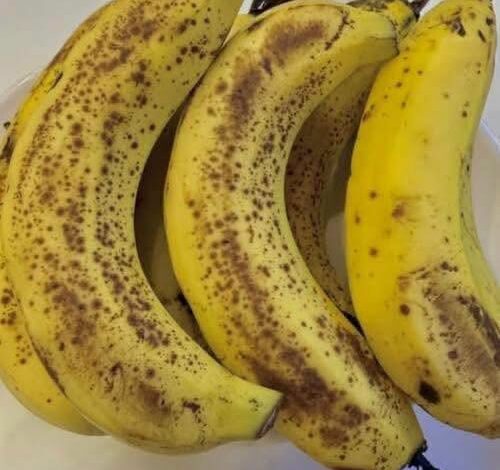
However, as time passes and those familiar brown speckles begin to freckle the peel, the banana undergoes a remarkable chemical shift. The complex resistant starches inside rapidly convert into simple, easily accessible sugars. This natural conversion is precisely why spotty, brown bananas taste significantly sweeter and feel much softer in texture.
While those simple sugars might sound alarming if you are watching your sugar intake, they serve a entirely different, highly beneficial purpose. Riper bananas provide an immediate surge of fast-acting energy, making them the ultimate pre-workout fuel when you need an instant physical boost without weighing down your stomach. Because the starches have already broken down into simple sugars, spotty bananas are exceptionally gentle on the digestive tract, making them a lifesaver for anyone dealing with a sensitive stomach or sluggish digestion.
In addition to providing quick energy and superior digestibility, highly ripe, spotty bananas boast a hidden medical advantage: antioxidants. As the breakdown process continues, the concentration of antioxidants rises significantly. These powerful cellular defenders help combat oxidative stress, reduce systemic inflammation throughout the body, and support long-term cellular health as you age. What looked like a piece of fruit heading toward the trash bin is actually a concentrated dose of wellness.
Ultimately, the great banana debate reveals a liberating truth: there is no single “best” banana for everyone. There is only the right banana for your specific biological needs at any given moment. If you need sustained focus, steady blood sugar control, and long-lasting fullness during a sedentary workday, reaching for a firm, yellow, slightly underripe banana is your smartest move. But if you are heading out for an intense run, recovering from a workout, or dealing with a finicky stomach that needs immediate, easy-to-process nutrition, that spotty brown banana becomes your greatest ally.
By paying attention to how different stages of ripeness affect your body, you can transform a simple grocery store staple into a precision tool for optimal health. Next time you stand in front of the fruit bowl, you won’t just be picking a snack—you’ll be making a conscious choice for your daily well-being.