What Is the Green Stuff Inside a Lobster? Here’s What You Should Know
If you’ve ever opened a cooked lobster and noticed a soft green substance inside the body, you may have wondered what it is—and whether it’s safe to eat.
For many people, it’s an unexpected discovery. While some assume it’s a sign the lobster has spoiled, that’s not the case.
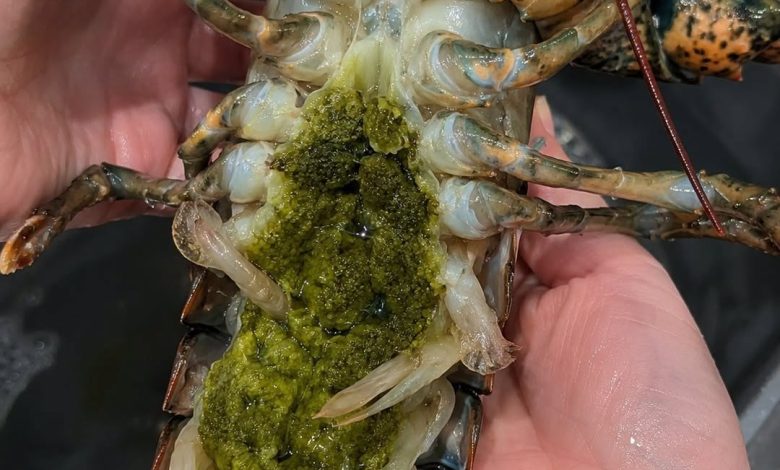
The green material is called tomalley, a natural part of the lobster’s anatomy that has long been recognized by seafood enthusiasts.
What Is Tomalley?
Tomalley is an organ that performs functions similar to the liver and pancreas in humans. It helps the lobster digest food, absorb nutrients, and process waste.
Its appearance can vary from olive green to dark green, and it has a soft, creamy texture that differs from the firm white meat found in the claws and tail.
Because it’s a normal part of the lobster, finding tomalley inside a cooked lobster is completely expected.
What Does It Taste Like?
Tomalley has a rich, concentrated seafood flavor that many people describe as:
- Savory
- Creamy
- Slightly briny
- Intensely ocean-like
Its distinctive taste has made it popular with some seafood lovers, while others prefer to remove it before eating.
How Is It Used?
In some regional seafood traditions, tomalley is considered a delicacy.
It may be enjoyed on its own or incorporated into recipes such as:
- Seafood bisques
- Lobster sauces
- Compound butters
- Seafood spreads
- Pasta dishes
Because of its rich flavor, only a small amount is typically used to enhance a dish.
Is It Safe to Eat?
Tomalley is edible, but there is an important consideration.
Because it functions as the lobster’s filtering organ, it can accumulate environmental contaminants that may be present in the water, including certain naturally occurring toxins or pollutants.
For that reason, some public health agencies recommend limiting or avoiding consumption of tomalley, particularly for children, pregnant individuals, or people who eat lobster frequently. The white meat from the claws, tail, and knuckles is generally considered the preferred choice.
Recommendations can vary depending on where the lobster was harvested and local seafood advisories.
Should You Remove It?
Whether to eat tomalley is largely a matter of personal preference.
Many people simply remove it before serving, while others enjoy its unique flavor as part of the dining experience.
If you’re unsure, it’s perfectly fine to set it aside and enjoy the lobster meat on its own.
Final Thoughts
The green substance inside a lobster isn’t a sign that the seafood has gone bad. It’s tomalley, a natural digestive organ that has been part of lobster cuisine for generations.
While some people appreciate its rich flavor, others choose not to eat it due to health guidance about potential contaminant buildup. If you have concerns, the safest option is to enjoy the lobster’s white meat and discard the tomalley.
Knowing what it is can make your next lobster dinner a little less mysterious—and help you decide what’s right for your plate.