A Mediterranean Voyage Raises Hard Questions Again
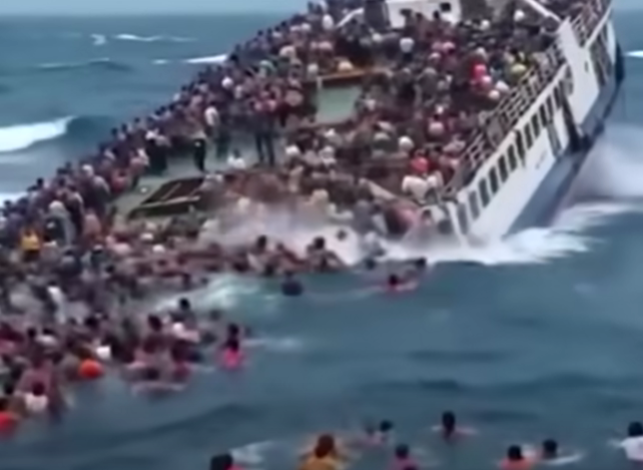
A deadly ship sinking in the Mediterranean has once again drawn attention to one of the world’s most dangerous migration routes, where people board unsafe vessels in the hope of reaching safety, work, or a more stable life.
The passengers were reportedly part of a broader movement of people fleeing conflict, poverty, political instability, and limited opportunities in their home countries. For many families, the sea crossing is not viewed as an adventure, but as a difficult choice made after other options have narrowed.
North African coastal areas are often used as transit points for people trying to reach Europe by sea. These journeys can involve overcrowded boats, poor safety conditions, and criminal smuggling networks that put passengers at serious risk.
Rescue Crews Face Difficult Conditions
After reports of the sinking emerged, maritime authorities and rescue teams began search and recovery operations. Emergency responders worked to locate survivors and provide assistance while facing the challenges that often come with large-scale incidents at sea.
Authorities are continuing efforts to identify victims and notify families where possible. Investigations into what led to the sinking are still ongoing, and officials have not yet completed a full public account of the incident.
Humanitarian organizations have repeatedly warned that irregular sea crossings in the Mediterranean remain highly dangerous, especially when passengers are transported in vessels that are not built or equipped for such journeys.
The Bigger Picture
The tragedy has renewed discussion about migration policy, international cooperation, border management, and the role of search-and-rescue operations. Governments and aid groups continue to weigh how to respond to immediate emergencies while also addressing the conditions that push people to leave their homes.
Those conditions often include war, economic hardship, political instability, and a lack of safe or legal migration pathways. Experts have long argued that reducing the risks requires more than enforcement alone. It also involves humanitarian assistance, efforts against smuggling networks, and practical options for people seeking protection or work.
There are also wider financial and logistical pressures on the countries and organizations involved. Search-and-rescue missions, emergency medical care, victim identification, family notification, and survivor support all require coordination, funding, and trained personnel.
Why This Matters
Large migration disasters are often described through numbers, routes, and policy language. But behind every report are people with families, plans, and reasons for taking a dangerous journey.
Some were seeking safety. Others hoped for employment, education, or a chance to support relatives left behind. Their stories are part of a larger humanitarian challenge that continues to unfold across the Mediterranean.
As investigations continue, the sinking is likely to remain part of broader conversations about maritime safety, migration systems, and how countries can work together to reduce preventable loss of life.
For readers following this issue, the key question is not only what happened at sea, but what can be done to make fewer families face such dangerous choices in the first place.