What Led to This Dramatic Overpass Collision and Widespread Delays?
Dump Truck Slams Into Richmond Overpass, Triggering Major Traffic Disruptions and Safety Concerns
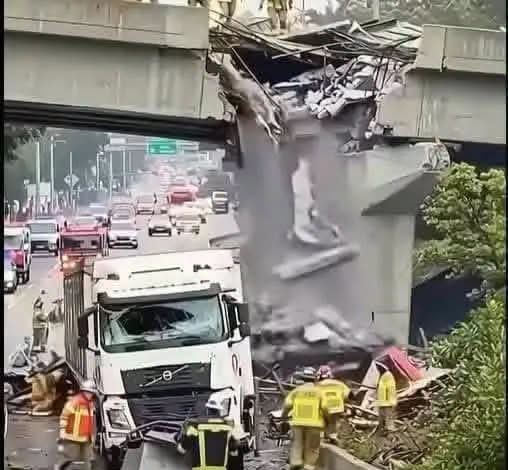
What began as an ordinary morning commute in Richmond, British Columbia, quickly turned into a scene of chaos after a commercial truck collided with the Cambie Road overpass, causing significant traffic disruptions and prompting an immediate structural assessment.
Fortunately, authorities reported no serious injuries, but the dramatic incident has renewed concerns about roadway safety and the growing number of bridge strikes involving over-height vehicles.
Morning Crash Brings Traffic to a Halt
The collision occurred during the busy morning rush hour when a dump truck traveling along Knight Street struck the overpass with its trailer reportedly in a raised position.
The force of the impact caused extensive damage to the vehicle and left debris scattered across the roadway, forcing officials to close affected lanes while emergency crews secured the scene.
Thousands of commuters experienced delays as traffic backed up across one of the region’s busiest transportation corridors.
Engineers Inspect the Structure
Following the collision, transportation officials and structural engineers conducted detailed inspections of the overpass to determine whether the impact had compromised its integrity.
Bridge assessments after incidents like these typically include examinations for:
- Cracks in concrete supports
- Damage to structural steel components
- Alignment changes
- Stress on load-bearing elements
- Potential safety risks before reopening
Ensuring public safety remains the top priority before traffic can fully resume.
A Growing Concern Across the Region
Bridge strikes involving commercial vehicles have become an ongoing issue in several jurisdictions, drawing attention from transportation experts and public officials alike.
Many incidents occur when dump beds or specialized equipment remain elevated or when vehicle height is misjudged before entering restricted areas.
Even a relatively small height discrepancy can result in costly infrastructure damage and major disruptions to traffic flow.
Calls for Improved Safety Measures
The latest collision has fueled discussions about preventing similar incidents through enhanced technology and driver awareness.
Among the measures often proposed are:
- Automated over-height detection systems
- Advanced warning signs before low-clearance structures
- Enhanced driver training programs
- Fleet monitoring technologies
- Stronger operational safety protocols
Advocates argue that combining technology with education can significantly reduce the risk of avoidable bridge impacts.
The Cost of a Single Oversight
Although no major injuries were reported, the incident illustrates how one mistake can have widespread consequences.
Bridge strikes can lead to expensive repairs, prolonged traffic delays, interruptions to commercial transportation, and extensive investigations. They also place emergency responders, commuters, and nearby workers at unnecessary risk.
For infrastructure managers, each event reinforces the importance of preventive measures rather than reactive repairs.
Looking Ahead
As cleanup operations conclude and officials complete structural evaluations, transportation authorities continue reviewing the circumstances surrounding the collision.
The event serves as a reminder that roadway safety depends on careful planning, proper vehicle operation, and ongoing investment in infrastructure protection.
While traffic will eventually return to normal, incidents like this highlight the importance of vigilance and continuous improvements aimed at preventing future accidents.