Rosie O’Donnell Opens Up About a Painful Family Chapter
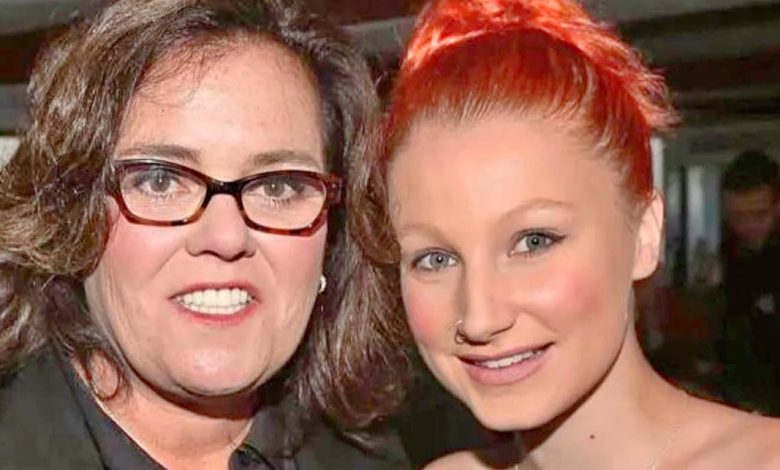
Rosie O’Donnell has shared a deeply personal poem about her daughter Chelsea’s time in prison, offering a rare look at the worry, love, and uncertainty her family has been living with behind the scenes.
The comedian posted the poem on June 12, writing candidly about losing contact with Chelsea for more than a week after she was moved from jail to prison. For O’Donnell, the silence felt alarming because she had grown used to hearing from her daughter regularly.
“Been over a week I haven’t heard from her not normal she was moved to prison from jail,” O’Donnell wrote at the start of the poem.
Chelsea, 28, has been behind bars since October after her probation was revoked. She had multiple arrests in 2024 connected to child neglect and drug possession charges.
A Mother’s Worry During Chelsea’s Incarceration
O’Donnell’s poem describes the emotional weight of not knowing what her daughter was experiencing inside prison. She wrote about Chelsea spending months under lockdown conditions, including 23 hours a day inside and only 45 minutes outside in the sun.
The details gave the poem a stark, personal tone. O’Donnell did not write as a distant observer, but as a mother trying to understand her child’s daily life through limited phone calls, strict rules, and brief moments of contact.
Those calls, when they happen, appear to mean a great deal to her. O’Donnell wrote about being grateful that Chelsea is alive, and about the comfort that comes from staying connected, even through prison walls.
The poem also reflects on a complicated truth: although this period has been painful, O’Donnell said it has brought her and Chelsea closer. She described that stronger bond as a “silver lining” in an otherwise heartbreaking situation.
The Visit That Stayed With Her
O’Donnell also wrote about visiting Chelsea in person. The meeting came with strict rules: one hug at the beginning, one hug at the end, no exchanging money, hands visible on the table, and no raised voices.
When she first saw Chelsea, O’Donnell said her heart skipped a beat. She described her daughter as looking healthy and calm, with clear skin and rested eyes, wearing a green prison uniform.
That moment brought relief, but the visit was still difficult. It was cut short because of a tornado warning, leaving O’Donnell to drive through the storm afterward while processing the weight of the day.
She described it as a big day for both of them. The phrase captured how much meaning was packed into a short, controlled visit shaped by prison rules and family emotion.
The Bigger Picture
One of the most painful parts of O’Donnell’s poem is Chelsea’s separation from her children. Chelsea is a mother of four — three daughters and one son — and O’Donnell wrote that the children have not yet been able to visit her.
That separation adds another layer to the family’s grief. O’Donnell’s reflection is not only about her own relationship with Chelsea, but also about watching Chelsea remain apart from her children during a difficult chapter.
Still, O’Donnell’s poem looks toward the possibility of change. She wrote about imagining Chelsea’s release, a life free from drugs, and a future in which she can reconnect with her children.
The poem does not present that future as guaranteed or simple. Instead, it frames hope as something O’Donnell is choosing to hold onto while still acknowledging the seriousness of Chelsea’s legal situation and the pain the family has endured.
Near the end, O’Donnell reflected on motherhood, forgiveness, and unconditional love. “We live we learn we grow even at 64,” she wrote.
Her words show a mother trying to stay present through fear, disappointment, and uncertainty — and still leaving room for healing. For readers following the family’s story, it is a reminder that even public figures often face private pain with no easy answers.