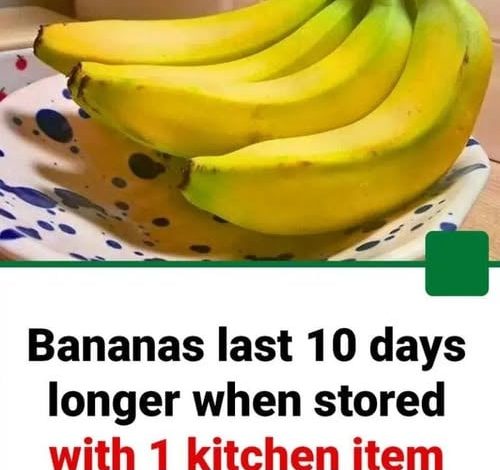
The Simple Storage Mistake That Ruins Bananas Faster
Bananas can go from bright yellow to spotted and soft faster than almost any other fruit on the counter. If you feel like you are throwing away part of every bunch, the issue may not be the bananas themselves. It may be where you are keeping them.
The biggest problem is a natural ripening gas called ethylene. Bananas produce it, and they are also sensitive to it. When they sit in a fruit bowl next to apples, pears, or avocados, they can be exposed to even more ethylene, which speeds up ripening.
That mixed fruit bowl may look tidy, but it can shorten the useful life of your bananas. A few small storage changes can help you get more days out of every bunch.
The Countertop Trick That Helps Slow Ripening
Keep bananas separate from other fruit whenever possible. Instead of placing them in a crowded bowl, give them their own spot on the counter with a little breathing room.
It also helps to keep the bananas together in the bunch. Then, wrap the stems tightly with plastic wrap or foil. The stems are one of the main places where ethylene is released, and covering them can slow how quickly the fruit ripens.
This does not stop ripening completely, but it can make a noticeable difference, especially if you buy bananas for the week and do not want them all turning soft at once.
When to Move Bananas to the Fridge
Once bananas reach the stage you like best, usually yellow with little or no spotting, the refrigerator can help preserve the fruit inside.
The peel may turn brown or dark in the fridge, which can make the bananas look overripe. But the edible fruit inside usually stays sweet and firmer for longer than it would at room temperature.
This is especially useful if you want bananas ready for breakfast, snacks, smoothies, or baking without rushing to use the entire bunch in a day or two.
Why This Matters
Fresh produce can be one of the easiest grocery items to waste. Bananas are affordable compared with many fruits, but throwing them away week after week still adds up.
Better storage means fewer last-minute banana bread rescues, fewer wasted groceries, and more control over how quickly your fruit ripens. The easiest rule is simple: keep bananas away from other ethylene-producing fruit, wrap the stems, and refrigerate them once they are ripe enough for your taste.
A small change on the kitchen counter can make your next bunch last longer than expected.