Why Hillary Clinton’s Latest Comments Are Making Headlines
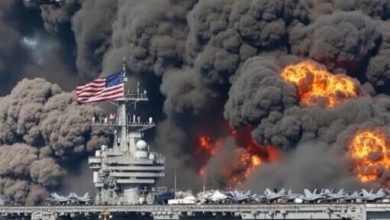
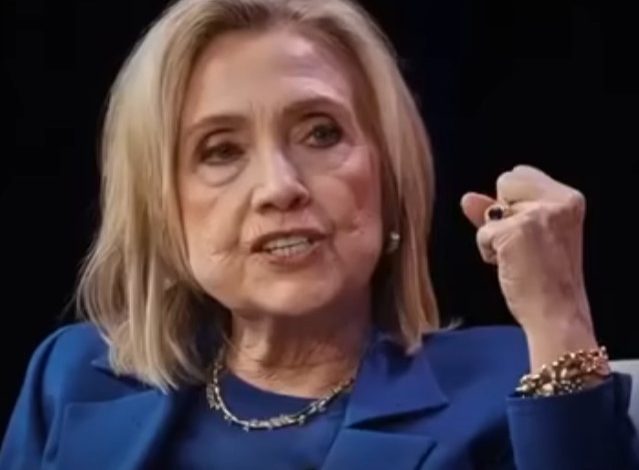
Former Secretary of State Hillary Clinton is once again at the center of a major political conversation, issuing a sharp warning about America’s role on the world stage amid growing tensions surrounding Iran and renewed debate over U.S. foreign policy.
Speaking about recent developments, Clinton argued that America’s global influence depends not only on military strength and economic power but also on consistency, credibility, and clear leadership. According to her, uncertainty in messaging can create challenges for both allies and adversaries, particularly during periods of heightened international tension.
Her comments come as diplomatic efforts involving Iran face increasing obstacles, raising questions about the future of negotiations and regional stability. While policymakers continue to debate the best path forward, Clinton contends that maintaining a predictable and coherent strategy remains essential for preserving international trust.
At the heart of her criticism is the belief that global partners pay close attention to the words and actions of U.S. leaders. When messages appear inconsistent or rapidly shift direction, she argues, allies may become uncertain about American commitments while opponents may feel encouraged to test boundaries.
The discussion has reignited broader questions about how presidents communicate during international crises. Supporters of strong rhetoric often argue that forceful language can project strength and deter potential threats. Critics, however, contend that diplomatic language must be carefully calibrated to avoid misunderstandings that could escalate already sensitive situations.
Clinton has also addressed the issue of military action, emphasizing a distinction between narrowly defined security objectives and broader, open-ended strategies. She has maintained that limited actions with clearly stated goals can serve as deterrents when national security interests are at stake.
However, she argues that any military decision must be accompanied by a comprehensive plan outlining objectives, expected outcomes, and long-term strategy. Without that framework, she warns, governments risk creating uncertainty that can complicate diplomatic efforts and international relationships.
The debate arrives at a time when foreign policy is once again becoming a major topic in American political discourse. From conflicts in the Middle East to competition among global powers, voters are increasingly focused on how leaders navigate complex international challenges.
Clinton’s remarks have drawn both praise and criticism, reflecting the deep political divisions that continue to shape discussions about America’s role in the world. Supporters view her comments as a call for steadier leadership and strategic discipline, while critics point to past foreign policy controversies and question her own record in government.
Regardless of political affiliation, the conversation highlights a larger issue facing policymakers: how to balance strength, diplomacy, and stability in an increasingly unpredictable global environment.
As international tensions continue to evolve, debates over leadership, communication, and foreign policy strategy are likely to remain front and center in Washington and beyond.
Do you believe consistent messaging is one of the most important qualities in foreign policy leadership? Share your thoughts in the comments and join the discussion below.