TERROR AT THE HOSPITAL BLOODY PARKING GARAGE SHOOTING LEAVES COMMUNITY IN SHOCK AS GUNMAN STRIKES AT DAWN
The sterile halls of healing were shattered by the deafening roar of gunfire as chaos erupted at a quiet Michigan medical center. What began as a routine Tuesday morning for nurses and patients transformed into a living nightmare when a disgruntled employee turned a parking garage into an active war zone. With bullets flying and blood pooling on the asphalt, terrified staff members fled for their lives while mothers clutching newborns braced for the worst. This was no longer a sanctuary of care but a house of horrors where trust was gunned down in cold blood before the sun had even fully risen.
On the morning of March 20 2025 the Corewell Health Beaumont Troy Hospital in Troy Michigan was operating with its usual rhythmic efficiency. The early hours are typically a period of transition as night shifts hand over responsibilities to the day staff and patients prepare for the medical procedures that define their daily lives. The parking structure was filled with the usual morning rush of vehicles as employees arrived to begin their shifts and visitors navigated the complex layout to reach their loved ones. At 7:08 a.m. that normalcy was obliterated by the unmistakable, percussive cracks of gunfire.
The immediate reaction was one of visceral confusion. Those who heard the sounds outside initially struggled to rationalize them as anything other than a car backfiring or a construction accident. However the reality of the situation manifested with terrifying speed as security personnel issued an urgent alert. The hospital was placed on an emergency lockdown and the atmosphere within the facility shifted from calm routine to a high-stakes struggle for survival. For the hundreds of people inside the walls of the hospital the threat was abstract yet all-encompassing. Doctors dropped their charts and retreated into secure rooms with patients while the halls became clogged with individuals frantically seeking cover.
The investigation that followed uncovered a harrowing narrative of internal conflict turned deadly. Law enforcement officials determined that the incident was not a random act of violence but the culmination of a targeted dispute between two individuals employed at the facility. Robert Paljusevic the man identified as the gunman allegedly initiated the confrontation in the parking garage. The encounter left one victim suffering from two gunshot wounds to the arm. While the physical injuries were concentrated on a single individual the psychological impact of the incident rippled through the entire hospital staff and the broader community.
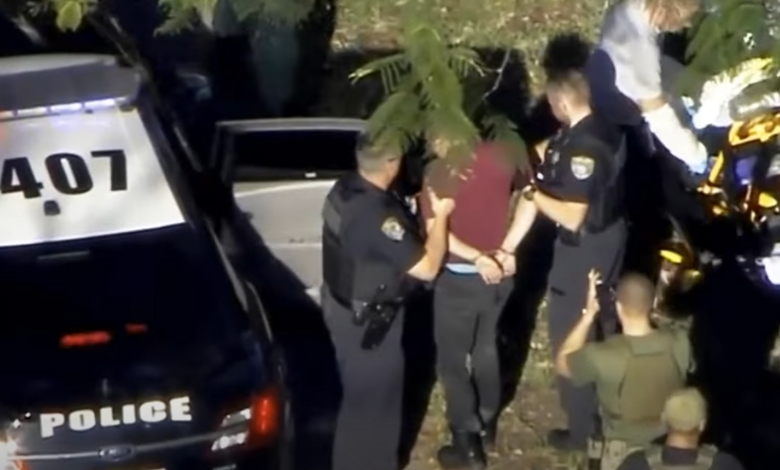
The prompt arrival of police officers mitigated what could have been an even more catastrophic loss of life. By the time officers arrived on the scene they were able to secure the area and transition into their tactical response. Robert Paljusevic was taken into custody shortly after the shooting occurred effectively ending the active threat. Yet even as the tactical teams cleared the facility and declared the immediate danger over the sense of profound violation remained palpable. The blue lights of the police cruisers flashing against the concrete walls of the parking garage served as a stark, lingering reminder of how quickly a secure environment can be compromised.
Beyond the tactical and legal details of the shooting lies the deeper, more complex issue of the sanctity of medical spaces. Hospitals occupy a unique position in the social consciousness. They are designed to be bastions of safety, neutrality, and hope. People enter these buildings during their most vulnerable moments, trusting that the staff will protect them and that the environment will provide the necessary conditions for recovery. When an act of violence occurs within these boundaries it acts as a profound breach of the social contract. It forces both the staff and the patients to confront the reality that there is no space—no matter how vital or sacred—that is immune to the volatile nature of human conflict.
The aftermath of the shooting at Corewell Health Beaumont Troy Hospital forced the administration and the community to reflect on the nature of security in an age where public spaces are increasingly vulnerable. The incident left behind a trail of unanswered questions about how interpersonal grievances could escalate to such a dangerous level within a professional medical setting. For the nurses who had to barricade their rooms and the patients who were forced to lie on the floor while waiting for news, the hospital was no longer just a place of work or recovery. It had been transformed into a crime scene, a location defined by the trauma of a single morning.
In the weeks and months that followed the focus shifted from the immediate shock to the long road of emotional recovery. The incident highlighted the fragility of the peace we often take for granted in our daily institutions. It served as a somber reminder that the people who dedicate their lives to the care of others are not immune to the pressures that can lead to such horrific outcomes. The memory of the event—the frantic lockdowns, the messages sent to loved ones during the height of the panic, and the sudden shift from normalcy to terror—continues to serve as a warning.
Ultimately the shooting in Troy was a jarring interruption to the promise of healing that hospitals are meant to represent. While the physical structure of the garage was repaired and the operations of the facility returned to their normal, life-saving cadence, the collective consciousness of the staff was forever altered. Security can be bolstered with more cameras, more guards, and stricter protocols, but the underlying vulnerability of the human condition remains. The incident stands as a chilling testament to the importance of vigilance and the ongoing challenge of maintaining safety in a world where the lines between the sanctuary of the hospital and the dangers of the outside world can, at any moment, become blurred by violence.