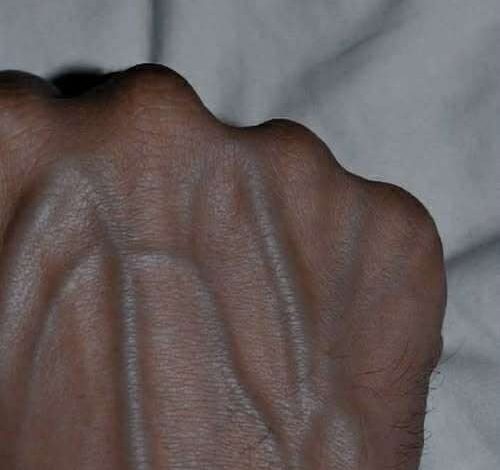
If you have visible veins, it means you are….
Visible Veins: What They Usually Mean (and When to Talk to a Doctor)
Noticing more visible veins can be unsettling, but in many cases it’s simply a normal body change—not an emergency. Veins often look more pronounced when your skin is thinner, your body fat is lower, or your circulation is more active. Even everyday factors like heat, hydration levels, and how long you’ve been standing can make veins “pop” more than usual.
For plenty of people, prominent veins come down to a combination of genetics, fitness level, and natural blood flow. If you work out regularly—especially strength training—your muscles can create more definition, and veins may become easier to see. Likewise, as people age, skin and connective tissue can change, making veins more noticeable without indicating a serious health problem.
Common, Non-Serious Reasons Veins Become More Visible
- Lower body fat: Less fat under the skin can make veins appear closer to the surface.
- Exercise and muscle tone: Increased blood flow and muscle definition can highlight veins, especially in arms and legs.
- Warm temperatures: Heat can cause veins to expand, making them look larger.
- Aging and thinner skin: Skin may become more translucent over time, revealing veins more clearly.
- Genetics: Some people naturally have more visible veins regardless of lifestyle.
When Visible Veins Could Signal a Health Issue
While visible veins alone are often harmless, certain symptoms should be taken seriously. If prominent veins come with discomfort or changes in the surrounding skin, it may be worth getting evaluated for circulation problems or other vascular concerns.
Consider speaking with a healthcare professional if you notice:
- Pain, tenderness, or throbbing around a vein
- Swelling in the arms, legs, hands, or feet
- Warmth over the area or skin that feels hot to the touch
- Skin color changes (redness, purple discoloration, or unusual paleness)
- Numbness or cold fingers/toes that doesn’t improve
- Slow-healing wounds or sores on the legs/feet
Getting checked early isn’t “overreacting.” It’s a smart way to protect your long-term health—especially when symptoms involve pain, swelling, or persistent changes in skin color and temperature.
The Bottom Line
In most situations, visible veins are simply a sign of normal variation—your body composition, your environment, and your genetics all play a role. The key is to pay attention to new or worsening symptoms and trust your instincts if something feels off.
CTA: Have you noticed more visible veins lately? Share what changed (exercise, weight loss, heat, or something else) in the comments—and if you’ve got symptoms like pain or swelling, consider booking a medical checkup for peace of mind.