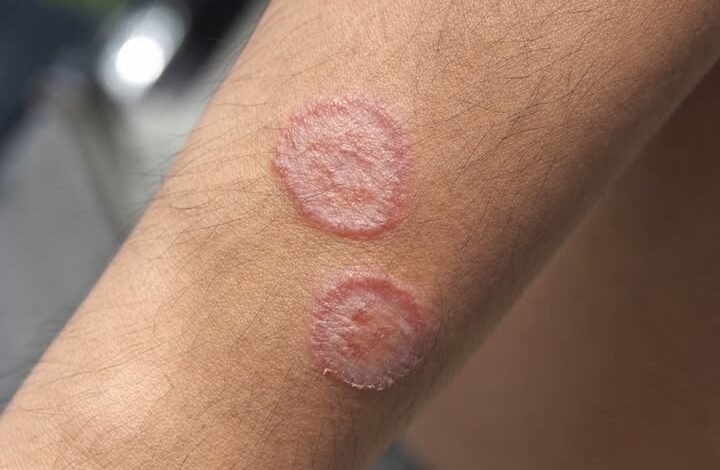
HIDDEN DANGERS LURKING ON YOUR SKIN THAT COULD KILL YOU IN MINUTES
You might think that small, itchy patch on your arm or those strange red bumps appearing on your chest are nothing more than a reaction to a new laundry detergent or a change in the weather, but you could be dead wrong. Doctors are issuing an urgent warning that what seems like a harmless skin irritation is often a silent, ticking time bomb signaling a catastrophic collapse of your internal systems. If you ignore these subtle warning signs, you are playing a lethal game of Russian roulette with your own life. The difference between a minor annoyance and a medical emergency is often just seconds.
Skin reactions are a ubiquitous part of the human experience, frequently written off as minor inconveniences caused by abrasive fabrics, harsh soaps, or seasonal environmental changes. Because these symptoms are so common, it is dangerously easy to normalize them. We tend to apply a soothing lotion, pop an over-the-counter antihistamine, and move on with our day, assuming that the body is simply reacting to a temporary external irritant. However, this casual dismissal of dermatological changes can be a fatal mistake. The skin acts as the body’s largest organ and a highly sophisticated sensory interface, and it is intimately linked to the complex, defensive mechanisms of the immune system.
When the skin undergoes a sudden, dramatic change, it is often not just an isolated event localized to the surface; it is frequently a outward manifestation of a much deeper, systemic response happening within. The immune system is constantly scanning for threats, and when it identifies an allergen, it may trigger an inflammatory cascade that alerts the body through the skin. Understanding this connection is critical. When dermatological symptoms emerge, they must be assessed not just for their appearance, but for what they might be telling us about the health of the internal organs and the stability of the immune system.
One of the most recognizable, yet frequently misunderstood, reactions is urticaria, commonly known as hives. These are raised, itchy welts that can appear with startling speed, shifting shape, intensity, and location across the body in a matter of moments. While the sight of hives is enough to make anyone uncomfortable, the hives themselves—while frustrating—are rarely dangerous in isolation. They are simply the body’s way of saying that histamine has been released. The danger, however, escalates exponentially when these skin reactions are accompanied by systemic symptoms that signal a wider, more dangerous breakdown in bodily function.
The most critical warning signs that a situation has shifted from a mild allergy to a life-threatening crisis involve the respiratory and cardiovascular systems. If you or someone near you experiences a skin reaction alongside difficulty breathing, audible wheezing, a sudden feeling of throat tightness, lightheadedness, or swelling of the lips, tongue, or face, you are likely witnessing the onset of anaphylaxis. This is not a standard allergic reaction; it is a massive, life-endangering systemic failure where the body’s immune system reacts with such extreme force that it threatens the very airway and circulation required for life.
Anaphylaxis is an absolute medical emergency. It can be triggered by a wide array of factors, including specific foods, prescribed medications, insect stings, or environmental exposures that the body has identified as a catastrophic threat. One of the most terrifying aspects of anaphylaxis is that it can occur even if the individual has been exposed to the substance before without issue. The body’s immune response is dynamic and unpredictable; a person can eat a specific food a dozen times and have no problem, only to trigger a severe, body-wide reaction on the thirteenth attempt. Because of this, past harmless exposure is never a guarantee of future safety.
The progression of anaphylactic shock can be terrifyingly rapid, sometimes moving from the first signs of skin irritation to total respiratory failure in mere minutes. There is no time to wait and see if the reaction passes on its own. In such a high-stakes environment, early recognition is the single most important factor in survival. When the signs are recognized, the immediate administration of epinephrine—often via an auto-injector—is the only proven way to reverse the rapid constriction of the airway and the dangerous drop in blood pressure.
Beyond the immediate medical intervention, the broader lesson here is one of vigilance. We must cultivate a better understanding of how our bodies communicate through the skin. If a skin reaction is accompanied by any signs of systemic distress, it should be treated as a red alert until proven otherwise by a medical professional. This is not about inciting panic, but about fostering a necessary level of caution. We often treat our health as a passive state of being, but it requires active monitoring and a respect for the signals our bodies are sending us.
Ultimately, your health is a long-term commitment that requires both knowledge and quick action. Recognizing the symptoms of a severe allergic response can save your life or the life of a loved one. When in doubt, prioritize emergency medical assessment over the hope that a condition will simply resolve itself. In a situation where every second counts, the ability to act decisively is the greatest tool you possess. The next time your skin sends you an urgent, persistent signal, do not dismiss it—listen to what your body is trying to tell you, because that simple reaction might be the only warning you get before a true emergency unfolds.