Shocking Morning Shooting At Detroit Hospital Leaves Staff And Patients Terrified
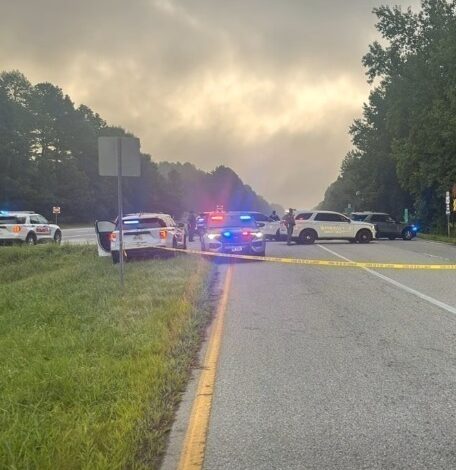
It was just past dawn when the tranquility of a major medical center was shattered by the sound of gunfire, transforming a place dedicated to healing into a terrifying scene of chaos and survival. The morning of the incident at Corewell Health Beaumont Troy Hospital, located just north of Detroit, began with a chilling disruption that sent shockwaves through the local community and the broader healthcare network. Around 7:08 a.m. on a Thursday, the usual routine of staff arriving for their shifts, patients preparing for procedures, and visitors navigating the campus was abruptly halted. An active shooter situation unfolded in the hospital’s parking garage, an area that is normally bustling with morning activity but quickly became the epicenter of a dangerous confrontation. The sudden escalation forced an immediate response from law enforcement and triggered strict lockdown protocols designed to protect everyone on the sprawling campus.
As details of the terrifying event began to emerge throughout the morning, a deeply troubling reality came to light. The suspect responsible for the violence was not an outsider, but rather an employee of the hospital itself. This insider threat adds a complex and unsettling layer to the investigation, raising questions about workplace tensions, employee background checks, and the warning signs that may have been missed prior to the attack. According to preliminary reports, the shooter intentionally targeted a specific individual, a 25-year-old coworker who was also employed at the facility. The motive behind the assault remains undisclosed as authorities work to piece together the relationship between the two men and the factors that precipitated the violence. The shooter approached the victim in the parking garage and fired two shots into his arm before the situation was contained.
The immediate aftermath of the shooting saw a rapid mobilization of the hospital’s emergency resources. The victim, having sustained two gunshot wounds to the arm, was swiftly transported just a few hundred feet to the hospital’s very own emergency department. The proximity of the trauma center proved critical in ensuring the victim received immediate, life-saving intervention. Despite the serious nature of the injuries, the medical staff demonstrated remarkable composure and skill, acting quickly to stop the bleeding, provide pain management, and stabilize the young man. Hospital officials later released statements indicating that the victim was in stable condition and is fully expected to recover from his physical wounds. However, the psychological impact of being targeted by a coworker in an unexpected location is an entirely different battle that the victim and his family will face in the coming days.
While the medical team worked on the victim, the rest of the hospital was thrown into a state of lockdown. Security personnel and local law enforcement agencies descended upon the campus, sealing off entrances and exits to contain the threat and prevent further harm. Patients, visitors, and medical personnel were instructed to shelter in place, creating an atmosphere of palpable fear within the building. Nurses and doctors turned off the lights in patient rooms and administrative offices, locking doors and ensuring that no one could wander into the hallways where the danger was perceived to be. The uncertainty of the situation made the wait agonizing for those inside, as rumors spread about the identity and whereabouts of the shooter. Fortunately, the law enforcement response was swift and coordinated. Officers located the suspect on the hospital grounds and apprehended him without further incident. This rapid resolution prevented the confrontation from spiraling into a mass casualty event, though the sheer fact that an active shooter was on the hospital grounds left lasting psychological scars on the community.
This alarming event has ignited a fierce debate and raised serious concerns regarding workplace safety, particularly within high-stress healthcare settings. Hospitals are generally viewed as sanctuaries of care, but they are also large, semi-public environments that can be vulnerable to security breaches and internal violence. Corewell Health Beaumont Troy Hospital, one of the region’s major medical centers, is currently undertaking a comprehensive review of its security protocols. This review is expected to result in enhanced screening measures, increased patrols, and better communication systems to prevent similar incidents from occurring in the future. The incident serves as a stark reminder that healthcare workers, who already face significant risks from unpredictable patients, must now also grapple with the threat of violence from within their own ranks.
Hospital administrators are working closely with law enforcement to understand the security gaps that allowed a weapon to be brought into the parking garage. Many staff members have expressed feelings of vulnerability, noting that the parking areas are often dark and isolated in the early morning hours, making them potential targets for violence. In response to these concerns, management is considering increasing the presence of security personnel in the parking garages and implementing new employee identification procedures.
As the investigation into the motive and background of the shooter continues, the Corewell Health Beaumont Troy community is slowly returning to a sense of normalcy, though the memory of that terrifying Thursday morning remains fresh in the minds of everyone who was present. The resilience of the hospital staff, the bravery of the first responders, and the quick thinking of the medical personnel who saved the victim’s life highlight the strength of the community in the face of senseless violence. The hospital remains committed to ensuring that its staff can work in a safe, secure environment where their lives are protected, allowing them to continue their vital work of caring for the sick and injured in the Detroit area. The focus moving forward will be on providing counseling and support services to the employees who experienced the trauma firsthand, ensuring that the facility remains a beacon of healing rather than a site of recurring fear.