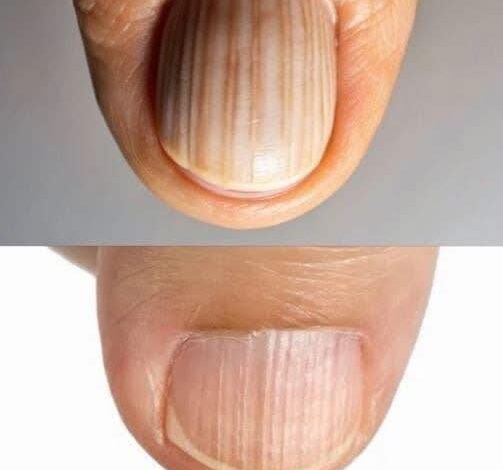
Why You Should Never Ignore These Mysterious Lines On Your Nails Because They Might Be Your Bodys Final Warning About A Serious Hidden Health Condition
The human body is an incredible machine that possesses a myriad of subtle ways to communicate its internal state to the outside world. Often, the earliest warnings of a physiological imbalance do not arrive in the form of loud, unmistakable symptoms but rather through quiet changes in the textures and patterns of our extremities. Among the most overlooked of these biological messengers are our fingernails. At some point in our lives, almost all of us have looked down at our hands only to notice strange, persistent lines running across or along the surface of our nails. While many dismiss these markings as mere cosmetic quirks or the result of a clumsy bump against a desk, the reality is far more complex. These subtle stripes can serve as a diagnostic window into your systemic health, acting as a silent alarm for everything from minor nutritional gaps to significant underlying medical issues that require immediate attention.
When we talk about striped or ridged nails, it is essential to distinguish between the direction and depth of the markings, as each carries a vastly different set of implications for your well-being. The most common type of markings are vertical ridges, which run like tiny, raised railway tracks from the cuticle all the way to the tip of the nail. In many cases, these vertical lines are a natural byproduct of the aging process. Just as our skin develops fine lines and wrinkles as we grow older due to a decrease in moisture and cell turnover, the nail bed also undergoes changes that can result in a more textured appearance. However, aging is not the only culprit. If these vertical stripes appear suddenly or are accompanied by brittleness, they may be your body’s way of signaling a deficiency in vital building blocks. Specifically, a lack of iron, magnesium, or high-quality protein can lead to a breakdown in the structural integrity of the nail, causing these ridges to become more pronounced and unsightly.
Far more concerning are horizontal lines, which are known in the medical community as Beaus lines. Unlike vertical ridges, horizontal indentations run across the width of the nail and are almost never a simple sign of aging. Instead, these deep grooves serve as a chronological record of a significant systemic shock. When the body experiences extreme stress, a severe high-fever illness, or major physical trauma, it often redirects its energy away from non-essential functions to focus on survival and recovery. Because the production of nail tissue is a low-priority task for a body in crisis, nail growth can temporarily stall. As the body recovers and growth resumes, a visible line is left behind in the nail plate, marking exactly when the physiological disruption occurred. Ignoring these horizontal stripes is ill-advised, as they can sometimes be linked to more chronic conditions like uncontrolled diabetes, peripheral vascular disease, or even certain types of toxicity.
The presence of these markings should not be a cause for immediate panic, but rather a catalyst for a more proactive approach to self-care and internal health management. Fortunately, many of the issues that cause nail lines can be addressed through targeted lifestyle adjustments. The journey to smoother, more resilient nails begins with the fuel you provide your body. To combat the nutritional deficiencies that often manifest as ridges, it is vital to enrich your diet with a broad spectrum of vitamins and minerals. B-complex vitamins, particularly biotin, are famous for their ability to strengthen the keratin structure of the nail. Additionally, increasing your intake of zinc and healthy fats can help maintain the natural oils of the nail bed, preventing the dryness that makes ridges look deeper. Hydration also plays a massive role; just as a lack of water makes your skin look sallow and creased, it makes your nails more prone to developing a rough, lined texture.
Beyond internal nutrition, the way you treat your hands on a daily basis can significantly influence the appearance of these stripes. Many of us unknowingly subject our nails to a barrage of environmental stressors that exacerbate texture issues. Frequent exposure to harsh household cleaning chemicals or prolonged submersion in water can weaken the nail plate, making it more susceptible to splitting and deep ridging. Establishing a gentle nail care routine is one of the most effective ways to manage the outward appearance of these lines. This includes using a high-quality moisturizer on the cuticles every night to support healthy growth at the source. Instead of using aggressive metal files that can cause micro-trauma, opting for a gentle glass file can help smooth the edges of the nail without causing further delamination. Limiting the use of dehydrating nail polish removers containing acetone is another simple change that can yield big results over time.
While many nail lines are benign and can be improved with better habits, there is a point where self-diagnosis must give way to professional consultation. If you notice that your nail lines are changing color—specifically if a dark brown or black stripe appears vertically—this can be a sign of a rare but serious condition that requires an urgent dermatological exam. Furthermore, if the ridges are accompanied by a change in the shape of the nail, such as clubbing or spooning, it may indicate issues with oxygen levels or liver function. The nails are truly a mirror of the internal environment, and a persistent worsening of their texture despite a healthy diet and good hygiene should never be ignored. A healthcare professional can order blood work to check for specific mineral deficiencies or inflammatory markers that might be causing the disruption in nail growth.
In our fast-paced world, it is easy to overlook the small changes in our physical appearance, dismissing them as unimportant or purely aesthetic. However, the stripes on your nails are more than just a surface-level annoyance; they are a testament to the intricate connectivity of the human body. By paying attention to these subtle signals and responding with improved nutrition, better hydration, and consistent care, you are not just improving the look of your hands—you are investing in your long-term systemic health. Your body is always talking to you, and sometimes, the most important messages are written in the very lines of your fingernails. Listening to these warnings now can prevent more significant health hurdles later, ensuring that your foundation remains as strong and smooth as a healthy nail should be. Always remember that while these habits can transform your appearance, your health is a holistic journey that requires you to be an active participant in your own well-being.