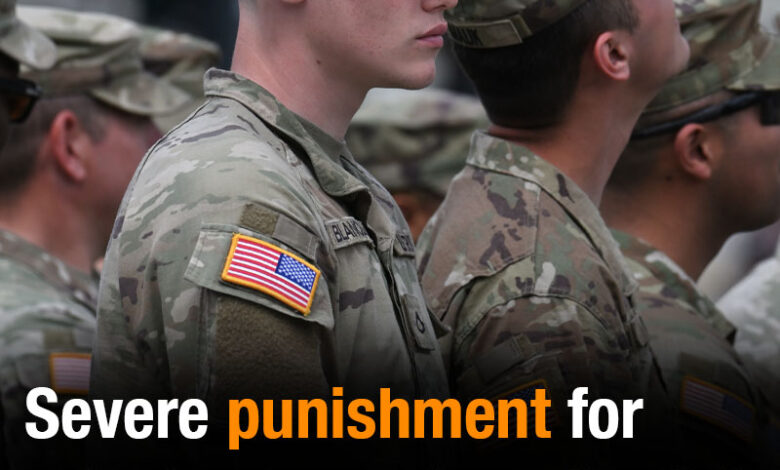
Massive Federal Shift Means Automatic Military Draft Registration for All American Men Starting 2026
The landscape of American civic duty is undergoing its most significant transformation in over fifty years. As the United States prepares for the implementation of a new federal mandate, the traditional methods of military draft registration are being replaced by a sophisticated, automated system. By the end of 2026, the burden of ensuring compliance with the Selective Service System will shift from the individual to the government, utilizing integrated federal data sources to capture the information of every eligible man in the country. This systemic overhaul is designed to create a seamless, high-efficiency registration process, yet it carries heavy implications for those who fall within the transition window or attempt to circumvent the law.
The Selective Service System has officially outlined this transition as a strategic workforce realignment. By integrating with existing federal databases, the government intends to eliminate the need for manual registration, effectively creating a closed-loop system where every man becomes part of the potential military pool the moment he reaches eligibility. While officials describe the move as a way to streamline bureaucracy and reduce the administrative burden on young citizens, critics and legal analysts are focusing on the hard-line consequences that remain for those who fail to comply before the automation is fully active.
Despite the move toward automation, the legal requirements for young men turning eighteen before December 2026 remain strictly in force. For those in this current age bracket, manual registration is still a mandatory legal obligation. The penalties for failing or refusing to register are categorized as a felony offense, carrying weight that can derail a young man’s future before it even begins. Beyond the threat of a prison sentence or substantial federal fines, the collateral consequences of non-compliance are devastating. Those who are not registered are permanently barred from federal employment, lose eligibility for state-funded student financial aid, and may find themselves disqualified from various government-backed security clearances and programs.
The scope of this requirement is surprisingly broad, extending far beyond native-born citizens. Under the current and future rules, nearly all male residents in the United States between the ages of eighteen and twenty-five are required to be in the system. This includes green card holders, refugees, and even undocumented immigrants. For the immigrant population, the stakes are particularly high; a failure to register is often viewed as a lack of good moral character, a determination that can lead to the summary denial of U.S. citizenship applications. Furthermore, the law is designed to discourage any form of organized resistance; individuals who knowingly assist or counsel others to avoid registration can be held liable under similar felony statutes.
While the automation of the list ensures that the government has a comprehensive database, it does not mean a draft is currently active. The Selective Service serves as a contingency plan for a national emergency. If a draft were to be activated by Congress and the President, the process would be governed by a strict lottery system. The first group to be called would be those turning twenty years old in the year of the draft. If the military’s needs are not met, the selection would expand to twenty-one, twenty-two, and so on up to age twenty-five, before finally circling back to eighteen and nineteen-year-olds.
As the 2026 deadline approaches, the integration of federal data ensures that the era of “forgetting” to register is coming to an end. This shift signifies a new age of digital governance where civic obligations are tracked automatically, leaving little room for error or dissent. For the millions of young men currently navigating this transition, the message from Washington is clear: the system is watching, and compliance is no longer a choice, but a default setting of American residency.