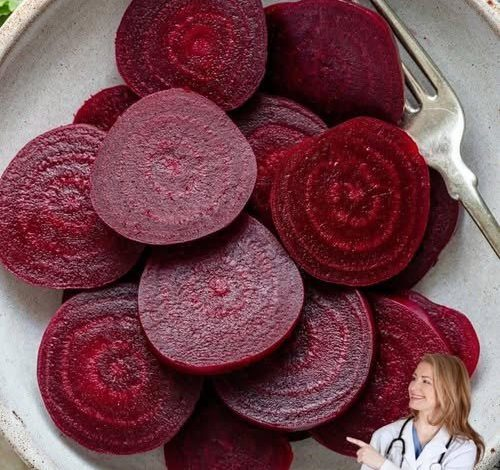
The Beetroot Upgrade: What Happens to Your Body When You Eat Beets, According to Doctors
You’ve likely seen the buzz: “Beets are a superfood!” While that label gets overused, beets genuinely deserve the spotlight. They’re loaded with antioxidants, nitrates, fiber, and folate—nutrients that can benefit your heart, brain, and even physical performance.
But let’s cut through the hype. What actually happens in your body when you eat beets—and what’s just marketing?
 7 Evidence-Based Benefits of Beets
1. Helps Lower Blood Pressure—Quickly
Why it works: Beets contain nitrates, which your body converts into nitric oxide. This compound relaxes and widens blood vessels.
What research shows: Drinking about 250 ml (8 oz) of beet juice has been shown to reduce systolic blood pressure by 4–10 mmHg within a few hours.
 Best for: People managing high or borderline-high blood pressure (alongside—not instead of—medical treatment).
2. Enhances Exercise Performance
Why it works: Nitric oxide improves how efficiently muscles use oxygen.
What research shows: Athletes who consumed beet juice before exercise performed better and used less oxygen.
Tip: Eat or drink beets about 2–3 hours before working out for the best effect.
3. Supports Brain Health
Why it works: Improved blood flow benefits areas of the brain responsible for thinking and memory.
What research shows: Older adults who consumed beet juice showed brain activity patterns similar to younger individuals during mental tasks.
Great for: Students, older adults, or anyone needing a mental boost.
4. Fights Inflammation and Oxidative Stress
Why it works: Beets contain betalains—the pigments responsible for their deep red color—which act as antioxidants.
What research suggests: These compounds may help reduce chronic inflammation linked to conditions like heart disease and arthritis.
Note: Raw, roasted, or juiced beets preserve more of these compounds than heavily cooked ones.
5. Improves Digestion and Gut Health
Why it works: Beets are a good source of fiber, which feeds beneficial gut bacteria.
Benefits: A healthy gut supports immunity, metabolism, and even mood.
Bonus: Fiber also helps regulate blood sugar and keeps you full longer.
6. Supports Natural Detox Processes
Why it works: Betalains help activate liver enzymes involved in processing toxins.
What research shows: Animal studies are promising, though human evidence is still developing.
Reality check: Your body already detoxifies itself—beets simply support that process.
7. Rich in Essential Nutrients
Beets provide important vitamins and minerals, including:
- Folate (B9): Supports cell growth and repair
- Manganese: Helps with metabolism and bone health
- Potassium: Important for fluid balance and nerve function
- Iron: Supports healthy blood
 Common Myths About Beets
| Claim | Reality |
|---|---|
| “Beets cure cancer” | No—lab results are promising, but there’s no proof in humans. |
| “Beet juice burns fat” | Beets are low in calories, but juice lacks fiber and may spike blood sugar. |
| “Beets cleanse your kidneys” | They support health but don’t “flush” toxins. |
| “Beets give you perfect skin” | Skin health depends on overall lifestyle—not one food. |
 Things to Keep in Mind
- Beeturia: Red or pink urine/stool can happen—harmless but surprising.
- Kidney stones: Beets are high in oxalates, so moderation is key if you’re prone.
- Low blood pressure: If yours is already low, check with a doctor before consuming large amounts.
- Medication interactions: Beets may amplify the effects of blood pressure medications.
 Ways to Add Beets to Your Diet
- Raw: Grated into salads or blended into smoothies
- Roasted: Cook with olive oil and herbs for a sweeter flavor
- Juiced: Combine with apple, ginger, or lemon
- Pickled: Adds flavor (watch the salt content)
- Soups: Try classic beet-based soups like borscht
 Pro tip: Pair beets with vitamin C (like lemon juice) to improve nutrient absorption.
 Final Thought
Beets aren’t a miracle cure—but they’re a simple, powerful addition to a healthy diet. You don’t need fancy powders or daily juice shots. Just include them in meals in a way you enjoy.
Good health doesn’t come from “superfoods”—it comes from consistently eating real, balanced foods.