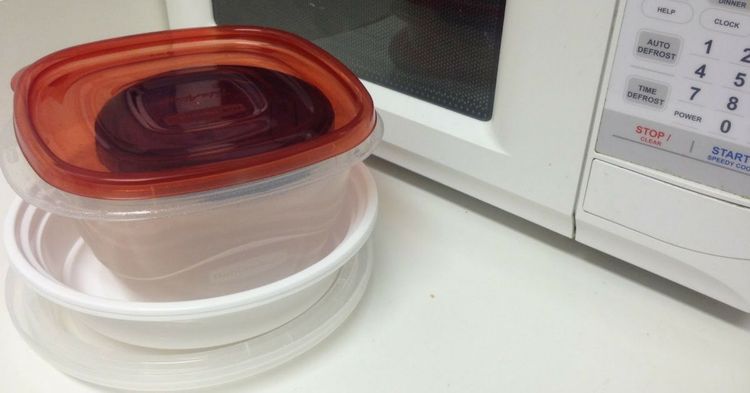
If You Own Any of These Plastic Bowls, Doctors Say You Need to Throw Them Away
If you have plastic bowls in your kitchen, especially ones you’ve been using for years, it may be worth taking a closer look at their condition. While plastic containers are widely used for their convenience, experts in food safety and public health caution that wear and damage can gradually turn them into a less reliable option for everyday use.
Over time, even durable plastics begin to show signs of aging. Scratches, cracks, cloudiness, warping, or discoloration are more than just cosmetic issues—they can affect how safely the container functions. According to food-safety specialists, these small imperfections can create microscopic spaces where bacteria can settle and persist. Unlike smooth, intact surfaces, damaged plastic is harder to clean thoroughly, meaning that even after washing, some germs may remain.
Another important factor is how plastic responds to heat. Not all containers are designed to handle high temperatures, and repeated exposure to microwaves, hot food, or dishwashers can accelerate breakdown. In some cases, older or lower-quality plastics may release small amounts of chemicals into food when heated, particularly if they are not labeled as microwave-safe or have been heavily used over time. While the levels are typically low, consistent exposure is something experts recommend minimizing when possible.
For this reason, many health professionals suggest a simple, practical approach. Plastic bowls that show visible wear should be replaced rather than continued in regular use. When heating food, it is best to use containers specifically marked as microwave-safe, and even then, avoiding excessive heat exposure can help extend their safety. For long-term use, materials such as glass or stainless steel offer a more stable alternative, especially for cooking and reheating.
In the end, the goal is not to eliminate plastic entirely, but to use it more carefully. A quick check of your kitchen containers—and a willingness to replace those that have worn down—can reduce unnecessary risks and ensure that convenience does not come at the expense of safety.