What Does the Air Recirculation Button in Your Car Actually Do? (And When to Use It!)
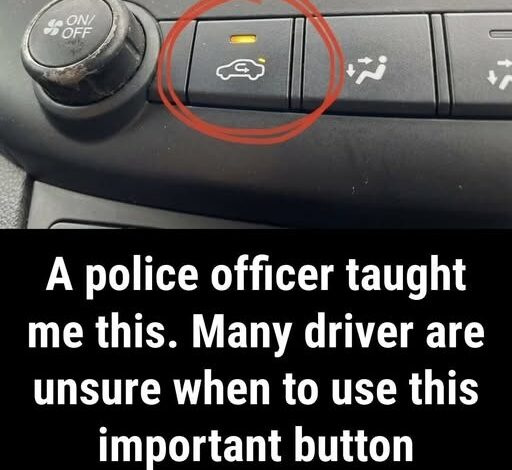
Most drivers see it every single day, yet many aren’t quite sure how to use it correctly. We are talking about that small button on your dashboard featuring a car icon with a “circular arrow” inside it. Whether you are stuck in a traffic jam or driving through a heatwave, knowing when to press this button can make your drive much more comfortable.
Let’s take a closer look at what this feature does and how you can use it to improve your driving experience.
What Exactly Is the Air Recirculation Button?
The air recirculation button is a simple switch that tells your car’s climate control system where to get its air. It essentially has two modes:
-
Fresh Air Mode (The Default Setting): When the button is off, your car pulls in fresh air from the outside. This air usually enters through vents located near the bottom of your windshield. It is then filtered, cooled, or heated before entering the cabin.
-
Recirculation Mode (The Button is ON): When you press the button, a small door inside the ventilation system closes. Instead of pulling air from the outside, the system “recycles air already inside the cabin.” It creates a closed loop where the air inside the car is continuously moved through the vents and filters.
5 Great Benefits of Using Recirculation Mode
Using this setting at the right time can provide several advantages for both you and your vehicle.
1. It Cools Your Car Much Faster in the Summer
During a hot day, the air outside might be 90 degrees, while your air conditioner is trying to bring the inside down to 70 degrees. If you use fresh air, the AC has to constantly work to cool down that hot outside air. By turning recirculation on, the AC “isn’t fighting hot outside air.” Instead, it keeps cooling the air that is already inside, which is already getting colder. This allows the cabin to reach a comfortable temperature much quicker.
2. It Acts as a Shield Against Odors and Pollution
Have you ever been “driving behind a diesel truck” or passed a farm and suddenly smelled something unpleasant? If you see smoke, dust, or smell something bad outside, press the recirculation button immediately. It closes the intake vents, acting as a temporary barrier to keep those smells and pollutants out of your lungs.
3. It Helps People with Allergies
If you suffer from seasonal allergies, the air outside can be full of irritants. Using this mode means “recirculation + cabin air filter = fewer sneezes.” It limits the amount of new pollen and dust that can enter the car, making the air much cleaner for those with sensitive respiratory systems.
4. It Can Improve Defrosting in Cold Weather
While fresh air is usually better for clearing windows, once the glass is clear, switching to recirculation can help the heater keep the cabin warm without having to heat up freezing air from the outside.
5. It May Slightly Improve Fuel Economy
When your air conditioner doesn’t have to work as hard to cool the air, it puts less strain on the engine. This can “reduce engine load and save a small amount of fuel” over long periods, especially during very hot weather.
When You Should Avoid Using Recirculation
As helpful as it is, leaving this button on all the time can lead to a few problems.
-
Your Windows Might Fog Up: Recirculated air trapped inside the car starts to hold moisture from your breath. In rainy or cold weather, this moisture hits the cold glass and turns into fog. If this happens, you should “turn OFF recirculation and set vents to ‘defrost.’”
-
The Air Can Get Stale: If you leave it on for too long, the oxygen levels can drop slightly while carbon dioxide builds up. This can make the driver feel tired or “drowsy, headachy, or stuffy.”
-
It Traps Internal Smells: If you have “gym clothes in the trunk” or just finished a fast-food meal, recirculation will keep those smells spinning around the car instead of venting them out.
Quick Guide: When to Press the Button
| Situation | Use Recirculation? | Why? |
| Very hot summer day | YES | To cool the cabin as fast as possible. |
| Heavy traffic or tunnels | YES | To block out exhaust fumes and smog. |
| High pollen count days | YES | To keep allergens out of the car. |
| Rain or freezing weather | NO | It causes the windows to fog up quickly. |
| Long road trips | NO | Fresh air helps the driver stay alert. |
| Smelly food inside | NO | You need fresh air to flush out the odor. |
Maintenance Tip: The Cabin Air Filter
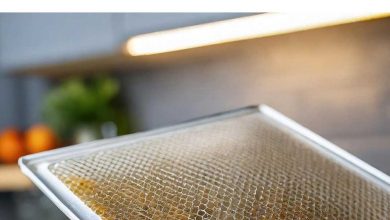
To keep your air system working perfectly, remember to check your cabin air filter. Most experts recommend changing it every 12,000 to 15,000 miles. If the filter is dirty, even the recirculation mode won’t be able to keep the air fresh.